

Table of Contents
- What Third-Party Testing Actually Means for Liver Supplements
- Key Ingredients in Liver Support Formulas: What the Research Shows
- How to Choose a Liver Supplement: What Actually Matters
- Liver Detox Supplement Safety: What You Need to Know Before Starting
- How to Verify Testing Claims on a Supplement Label
- Common Mistakes When Selecting Liver Health Supplements
- Frequently Asked Questions
Last Updated: October 12, 2026
What Third-Party Testing Actually Means for Liver Supplements
When you see "third party tested liver health supplements" on a label, it doesn't mean what most people think. It's not a government certification or a guarantee of safety. It's a voluntary quality check performed by an independent lab that verifies what's actually in the bottle matches what the label claims.
Third-party testing is the process of sending a supplement to an independent laboratory (one not owned by the manufacturer) to verify ingredient identity, potency, and purity. The lab tests for active compounds, checks for contaminants like heavy metals and microbial pathogens, and documents findings in a certificate of analysis.
Here's what matters: not all third-party testing is equal. Some labs run basic identity checks. Others perform comprehensive contamination screening. The difference between a quick verification and a rigorous audit can mean the difference between a supplement that's safe and one that contains undisclosed ingredients or harmful levels of heavy metals.
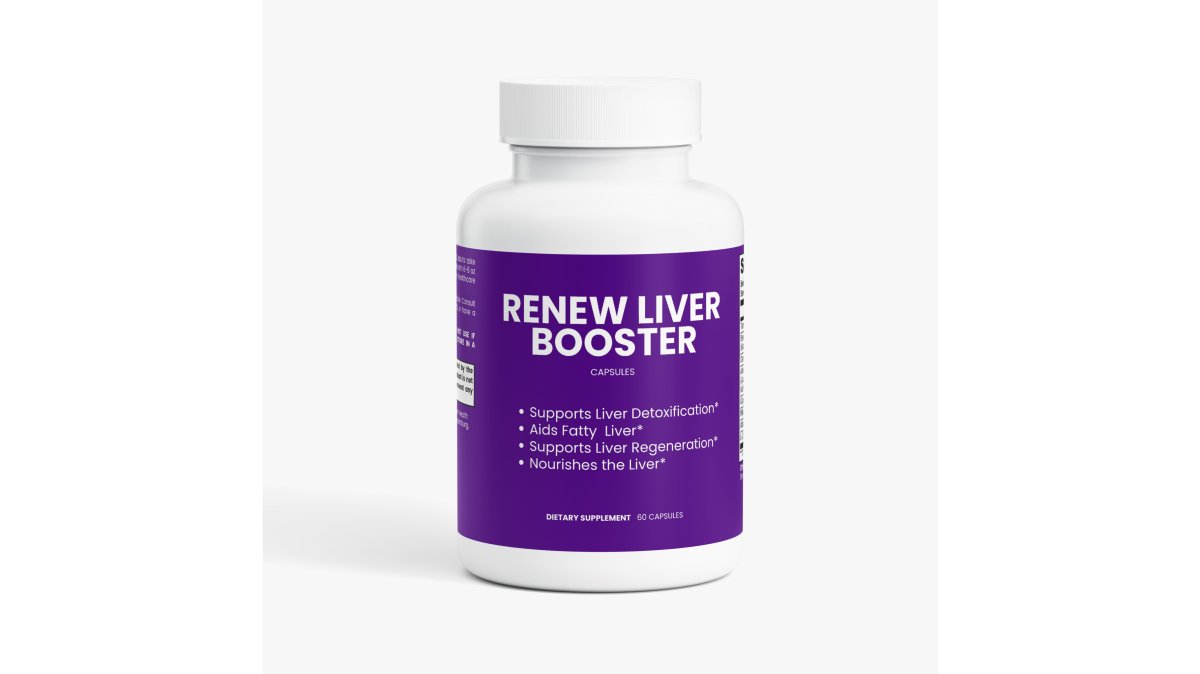
This is where many buyers get misled. A manufacturer can claim third-party testing without disclosing what was actually tested, what standards were used, or whether the results are publicly available. Renew Liver Booster's formulas are tested for purity and ingredient accuracy, ensuring you know exactly what you're taking.

The real value of third-party testing is verification. It answers the question every thoughtful buyer asks: Does this supplement actually contain what it says it contains, and is it free of harmful contaminants? Without independent verification, you're trusting the manufacturer's own word, which is a significant gap when quality and safety are on the line.
Key Ingredients in Liver Support Formulas: What the Research Shows
Liver support supplements typically contain a blend of botanicals and compounds chosen for their traditional use in supporting liver function and bile flow. Understanding what these ingredients are designed to do helps you evaluate whether a formula matches your needs.
Milk Thistle and Silymarin: The Most-Studied Liver Ingredient
Milk thistle has been used in traditional medicine for centuries, and it remains the most researched botanical for liver support. The active compound in milk thistle is silymarin, a group of flavonolignans that concentrate in the plant's seeds.
Silymarin is included in liver support formulas because it's believed to support the liver's natural regeneration and antioxidant defense. Many practitioners recommend milk thistle as part of a broader approach to maintaining liver health, particularly for those seeking natural support alongside lifestyle changes.
The evidence for milk thistle exists, but it's important to understand its limits. Research suggests silymarin may support normal liver function, but it's not a treatment for liver disease. If you have diagnosed liver conditions, milk thistle should complement, not replace, medical care and your doctor's recommendations.
Renew Liver Booster includes milk thistle powder as a core ingredient, recognizing its long history of use in liver wellness. The inclusion reflects our commitment to evidence-informed formulation, though this ingredient works best as part of a comprehensive approach to liver health.
Supporting Botanicals: Artichoke, Dandelion, and Turmeric
Beyond milk thistle, several other botanicals appear frequently in liver support supplements, each with a distinct traditional role.
Artichoke extract (standardized to contain cynarin) has been traditionally used to support bile flow and digestive function. Bile flow is essential for the liver's detoxification processes, making artichoke a logical addition to liver support formulas. Artichoke is included in many supplements because practitioners view it as supporting the liver's natural drainage and processing capacity.
Dandelion root has a long history in traditional herbalism for supporting liver and digestive wellness. It's often included in detox-oriented supplements because of its traditional association with supporting normal liver function and bile production.
Turmeric contains curcumin, a compound with strong antioxidant properties. Antioxidant support is a central theme in liver health because the liver processes many substances that generate oxidative stress. Turmeric appears in Renew Liver Booster specifically for this antioxidant role.
Other supporting ingredients you may see include ginger root for digestive support, N-acetyl cysteine (NAC) for antioxidant defense, and beet root for its nutrient density. Each ingredient in a well-formulated blend serves a specific function within the liver support framework.
How to Choose a Liver Supplement: What Actually Matters
Selecting a liver supplement involves evaluating several factors beyond marketing claims. A thoughtful approach focuses on ingredient transparency, testing standards, and realistic expectations about what a supplement can achieve.
Start with ingredient transparency. Quality third party tested liver health supplements list every ingredient with its source and amount. Avoid products that hide ingredients in proprietary blends where amounts aren't disclosed. You should be able to see exactly how much milk thistle, turmeric, artichoke, and other components are in each serving.
Verify third-party testing claims. Don't accept "third-party tested" as sufficient information. Ask whether the testing includes contaminant screening (heavy metals, microbial pathogens) or just ingredient verification. Request the certificate of analysis if it's not publicly available. A reputable brand will provide this documentation without hesitation.
Consider your specific situation. Are you managing fatty liver? Seeking general liver support? Recovering from a period of poor nutrition or lifestyle? Your answer shapes which ingredients matter most. Someone with fatty liver might prioritize turmeric and beet root for their antioxidant and nutrient support.
Evaluate dosage and form. Capsules, powders, and liquids have different absorption rates and convenience factors. Capsules are portable and consistent. Powders allow flexible dosing but require mixing. Check the suggested use, most quality liver supplements recommend daily dosing for sustained support, not occasional use.
Look for manufacturing standards. Supplements manufactured in the United States under Good Manufacturing Practice (GMP) standards tend to have stricter quality controls. This isn't a guarantee, but it indicates the manufacturer has invested in facility standards.
| Selection Criterion | What to Look For | Red Flag |
|---|---|---|
| Ingredient List | Complete with amounts | Proprietary blend, hidden amounts |
| Testing | Certificate of analysis available | "Third-party tested" with no documentation |
| Dosage | Clear suggested use with amounts | Vague recommendations |
| Manufacturing | USA-made, GMP certified | No manufacturing information |
| Price | Transparent pricing | Unusually cheap compared to competitors |
Liver Detox Supplement Safety: What You Need to Know Before Starting
The term "liver detox" is often used loosely in supplement marketing, but it's important to understand what's actually safe and what crosses into unsupported claims.
Your liver is already doing the detoxification work. It processes substances continuously without needing external "detox" supplements. What liver support supplements actually do is provide nutrients and botanical compounds that may help your liver function optimally, they don't "flush" or "cleanse" your system in the way marketing language sometimes suggests.
Before starting any liver supplement, consider your current medications. Some ingredients interact with common drugs. Milk thistle, for example, may interact with certain medications metabolized by the liver. Turmeric can increase bleeding risk if you're taking blood thinners. If you're on any prescription medications, discuss liver supplements with your doctor or pharmacist first.
Certain groups should exercise extra caution. Pregnant or nursing women should avoid most liver supplements unless specifically recommended by their healthcare provider. People with existing liver disease need medical guidance before supplementing, as even "natural" ingredients can affect liver function in complex ways.
Common side effects from liver supplements are typically mild: digestive upset, headache, or mild nausea. These often resolve within a few days as your body adjusts. Serious adverse effects are rare with quality supplements, but they're more likely with products lacking third-party testing or quality controls.
Start with the recommended dose and give the supplement at least 4-6 weeks before evaluating effectiveness. Liver support works gradually, you're not looking for dramatic overnight changes but rather consistent support for your liver's natural functions.
How to Verify Testing Claims on a Supplement Label
The ability to verify third-party testing claims separates trustworthy supplements from those making empty promises.
Look for specific testing information on the label or website. A quality brand displays their certificate of analysis (COA) prominently. This document shows what was tested, what standards were used, and the results. If you can't find a COA after a reasonable search, that's a significant red flag.
Identify the testing lab. The certificate should name the independent laboratory that performed the testing. Verify this lab is actually independent, not owned by or financially tied to the supplement manufacturer. Reputable labs include NSF International, USP (United States Pharmacopeia), and ConsumerLab, though many regional labs also perform quality testing.
Check what was actually tested. Did the lab verify ingredient identity and potency? Did they screen for heavy metals, microbial contamination, and pesticide residues? A comprehensive COA addresses all these factors.
Understand testing standards. Different labs use different standards. USP standards are stringent. NSF testing is rigorous. Some labs use less demanding protocols. The standard used affects how much confidence you can place in the results. A certificate should state which standard was applied.
Request lot-specific testing. Ideally, the testing applies to the specific batch you're purchasing, not just a representative sample from months ago. Lot numbers on labels allow you to cross-reference the batch with its testing results.
Common Mistakes When Selecting Liver Health Supplements
Understanding what doesn't work helps you avoid wasting money and time on ineffective approaches.
Mistake 1: Assuming "natural" means safe. Natural ingredients can be powerful, and that power includes potential risks. Milk thistle is natural but can interact with medications. Turmeric is natural but may increase bleeding risk.
Mistake 2: Expecting a supplement to replace medical care. If you have diagnosed fatty liver or another liver condition, a supplement is a complement to medical treatment, not a substitute. Your doctor's recommendations come first.
Mistake 3: Choosing based on price alone. The cheapest option usually reflects lower quality control, less rigorous testing, and potentially lower ingredient potency. You get what you pay for in supplements.
Mistake 4: Ignoring your personal health context. A supplement that's fine for a healthy 35-year-old might not be appropriate if you're pregnant, nursing, taking blood thinners, or managing liver disease. Your individual situation matters more than general recommendations.
Mistake 5: Not giving supplements enough time. Liver support works gradually. Taking a supplement for two weeks and expecting dramatic changes sets you up for disappointment.
Mistake 6: Buying from unknown sellers or unmarked bottles. Counterfeit supplements exist. Buy from established retailers or directly from the manufacturer. Verify the brand's website and contact information. Unmarked or suspiciously cheap bottles from unknown sources are high-risk purchases.
Choosing a third-party tested liver health supplement means prioritizing transparency, verification, and realistic expectations. The market is crowded with products making exaggerated claims, but careful evaluation of testing standards, ingredient lists, and manufacturer credibility narrows the field significantly.
Frequently Asked Questions
How can I tell if a liver supplement is third-party tested?
Look for visible third-party testing seals on the label from organizations like NSF International, USP, or ConsumerLab. Request a Certificate of Analysis (COA) from the manufacturer showing specific lot testing results. Legitimate third-party tested supplements display testing badge images on their website and provide batch-specific documentation upon request. Avoid brands that claim testing without providing verifiable documentation or seal imagery.
What does third-party testing verify in a dietary supplement?
Third-party testing confirms ingredient identity, potency (whether stated amounts are actually present), and purity by screening for contaminants like heavy metals, bacteria, and mold. It verifies that what's listed on the label matches what's in the bottle. Testing does not prove the supplement cures or treats disease, it only confirms product quality and safety. The FDA does not pre-approve supplements, making third-party verification essential for quality assurance.
Are liver detox supplements safe to take every day?
Most liver support supplements are formulated for daily use when taken as directed. However, safety depends on your individual health status and medications. Consult your healthcare provider before starting, especially if you take blood thinners, diabetes medications, or have liver disease. Some ingredients like milk thistle may interact with certain medications. Exceeding recommended dosages increases interaction risk.
Does milk thistle support liver health?
Milk thistle contains silymarin, a compound with antioxidant properties studied for liver support. Research suggests it may help maintain normal liver function and support the body's natural detoxification processes. However, clinical evidence shows milk thistle works best as part of a comprehensive approach including diet and lifestyle changes, it is not a replacement for medical treatment. Most studies examine milk thistle alone or in blends, making individual ingredient effects difficult to isolate in multi-ingredient formulas.