

Table of Contents
- Understanding Fatty Liver Disease and Your Treatment Options
- 7 Ways to Reduce Liver Fat Naturally
- How Long Does It Take to Reverse Fatty Liver
- Supplements for Liver Health and Fatty Liver Support
- When to See a Hepatologist and Track Your Progress
- Conclusion
- Frequently Asked Questions
Last Updated: October 2, 2026
Understanding Fatty Liver Disease and Your Treatment Options
Fatty liver disease is a condition where excess fat builds up in liver cells. It comes in two main types: alcoholic fatty liver disease (AFLD) and non-alcoholic fatty liver disease (NAFLD), now called metabolic dysfunction-associated steatotic liver disease (MASLD). The good news is that fatty liver treatment focuses on lifestyle changes that can reverse the damage before it progresses to fibrosis or cirrhosis.
The condition develops when your body stores more fat in the liver than it should, typically from excess calories (especially sugars and saturated fats) combined with insulin resistance and metabolic dysfunction.
The best fatty liver treatment combines weight reduction, dietary changes, and increased physical activity. Sustained weight loss of just 5-10% of body weight can reduce liver fat by 30% or more and significantly improve liver function within months.
7 Ways to Reduce Liver Fat Naturally
These seven strategies address the root causes, excess weight, poor diet, and inactivity, to restore liver health and prevent progression to serious liver disease.
1. Achieve Sustained Weight Loss
Weight reduction is the single most effective treatment for fatty liver, producing measurable improvements in liver enzymes and fat content. Aim for 5-10% initial weight loss, then continue toward a healthy body mass index.
Sustained weight loss matters most. Focus on a calorie deficit you can maintain for months, typically 500-750 daily calories to lose 1-1.5 pounds per week safely.
Weight loss reduces total body fat and improves insulin resistance, allowing your liver to process fat more efficiently. Combine gradual calorie reduction with the other strategies in this guide.
2. Adopt a Mediterranean or Whole-Foods Diet
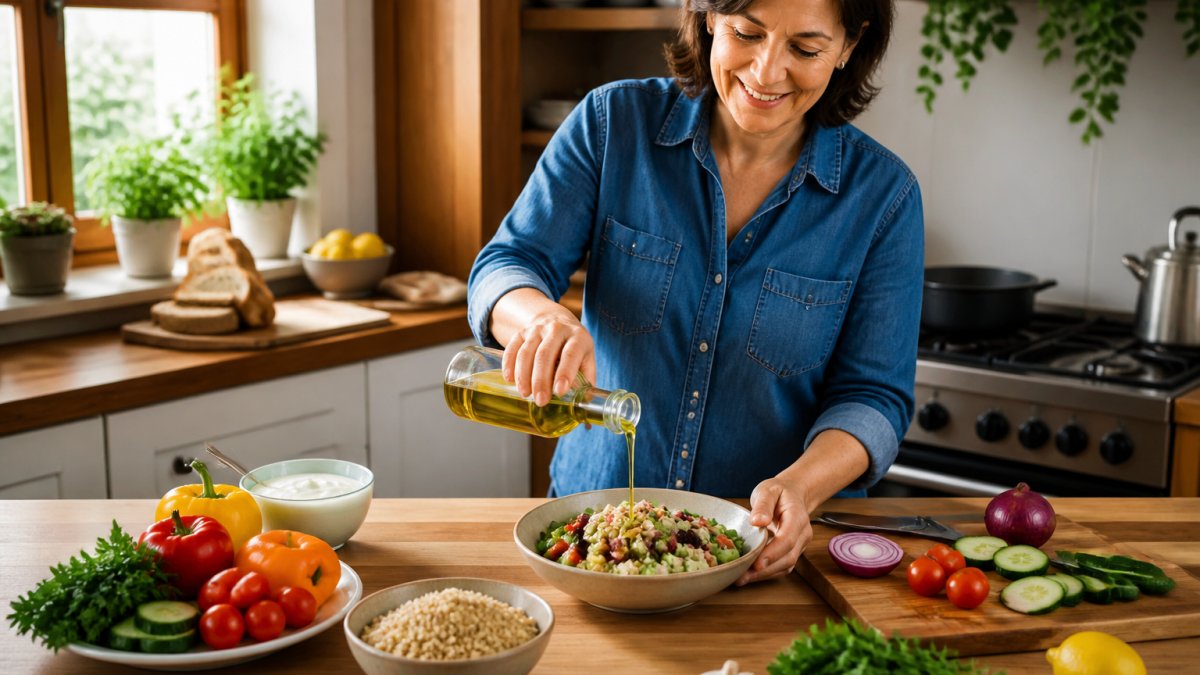
The Mediterranean diet, emphasizing olive oil, fish, whole grains, vegetables, legumes, and nuts while limiting red meat and processed foods, is one of the most studied patterns for liver health and reduces inflammation.
A whole-foods approach means eating fresh vegetables, fruits, whole grains, lean proteins, healthy fats, and legumes. Avoid packaged and ultra-processed foods, which contain hidden sugars, unhealthy fats, and additives that worsen metabolic dysfunction. Read ingredient labels to identify added sugars and saturated fats.
3. Increase Physical Activity and Exercise
Aim for at least 150 minutes of moderate-intensity exercise weekly (brisk walking, swimming, cycling, jogging) plus strength training 2-3 times per week to build muscle and improve insulin sensitivity. Start with 20-minute walks three times weekly if inactive, then gradually increase. Consistency matters more than intensity.
4. Manage Blood Sugar and Insulin Resistance
Insulin resistance drives fatty liver development. Improve glycemic control by eating protein and fiber with every meal, avoiding sugary drinks and refined carbohydrates, spacing meals evenly, and limiting high-glycemic foods. If you have diabetes or prediabetes, work with your doctor to monitor blood sugar, improved control often reduces liver fat within weeks.
5. Reduce Saturated Fats and Added Sugars
Saturated fats and added sugars directly contribute to liver fat accumulation. Cut back on butter, cream, fatty meats, fried foods, sugary beverages, refined grains, and products with added sugars. Replace saturated fats with unsaturated options like olive oil, avocado, and fatty fish.
6. Limit Fructose and Processed Foods
High-fructose corn syrup and excess fructose directly increase liver fat. Avoid sugary sodas, fruit juices with added sugar, processed snacks, and condiments with high-fructose corn syrup. Read ingredient lists carefully, as fructose hides under different names. Whole foods you prepare yourself eliminate most hidden fructose sources.
7. Support Your Liver with Targeted Supplementation
While dietary changes and exercise form the foundation of fatty liver treatment, targeted supplementation can provide additional support. Renew Liver Booster combines turmeric, milk thistle, beet root, artichoke extract, dandelion, and ginger in a science-backed formula designed to support liver regeneration and fat processing. Take two capsules daily with water alongside lifestyle changes. This supplement complements your treatment plan but does not replace the fundamental lifestyle modifications that reverse fatty liver.

How Long Does It Take to Reverse Fatty Liver
Most people see measurable improvements within 8-12 weeks of sustained effort. Early improvements include reduced bloating and fatigue, improved energy, better digestion, and clearer skin. Liver enzymes (ALT and AST) usually normalize within 3-6 months, and ultrasound imaging shows reduced fat content within 6-12 months. Complete reversal is possible for those who maintain lifestyle changes long-term.
Consistency is key, small improvements compound over time.
Supplements for Liver Health and Fatty Liver Support
Patients with fatty liver often search for supplements hoping to accelerate recovery or reduce the need for lifestyle changes. While no supplement can replace weight loss, dietary changes, and exercise, some compounds have evidence supporting a complementary role. Understanding what research actually shows helps you make informed choices.
Supplements with Emerging Evidence
Milk Thistle (Silymarin) is the most studied herbal supplement for liver health. The active compound, silymarin, acts as an antioxidant and may reduce liver inflammation. Multiple clinical trials show modest improvements in liver enzyme levels (ALT and AST) in people with fatty liver when taken at 140-200 mg of silymarin daily for 8-12 weeks. However, the effect size is small, typically a 15-25% reduction in elevated enzymes, and occurs primarily when combined with lifestyle changes.
Supplements with Limited or Unclear Evidence
Turmeric (Curcumin) is widely promoted for liver health based on its anti-inflammatory properties in laboratory studies. However, human clinical trials in fatty liver disease are limited. Most studies showing benefit used curcumin doses of 500-1000 mg daily, but curcumin has poor bioavailability, your body absorbs only a small fraction of what you consume. Some formulations use black pepper (piperine) to enhance absorption, but even with this, evidence of clinical benefit in fatty liver remains preliminary.
Supplements to Avoid or Use Cautiously
Niacin (vitamin B3) at high doses can worsen liver function and should be avoided without medical supervision. Kava has been linked to liver toxicity and is not recommended. Herbal weight-loss supplements often contain undisclosed ingredients and stimulants that stress the liver; avoid products with undefined "proprietary blends." Excess vitamin A from supplements (not from food) can accumulate in the liver and cause toxicity; stick to food sources or multivitamins with moderate amounts.
The Bottom Line on Supplementation
No supplement has been proven to reverse fatty liver disease on its own. The most robust evidence supports lifestyle changes, weight loss, dietary modification, and exercise, as the foundation of treatment. If you choose to add supplementation, milk thistle (140-200 mg silymarin daily) and omega-3 fatty acids (from food or 2-3 grams daily from fish oil) have the strongest evidence base and are generally safe when used appropriately.
American Gastroenterological Association clinical guidelines on NAFLD management
When to See a Hepatologist and Track Your Progress
Regular monitoring helps you confirm that your treatment plan is working. Schedule baseline testing with your doctor before starting any new regimen. Key tests include liver enzyme levels (ALT and AST), lipid panel, fasting blood sugar, and liver ultrasound or fibroscan.
A hepatologist (liver specialist) is especially helpful if:
- Your liver enzymes remain elevated despite lifestyle changes
- You have advanced fibrosis or cirrhosis
- You have concurrent liver conditions
- You're not seeing progress after 6 months of treatment
Keep a simple log of your progress. Track:
- Weekly weight (weigh yourself once per week, same day and time)
- Exercise frequency and duration
- Energy levels and symptom improvements
- Any dietary challenges you overcome
Conclusion
The best treatment for a fatty liver combines weight loss, dietary changes, regular exercise, and blood sugar management. These lifestyle modifications address the root causes of fatty liver disease and can reverse the condition entirely.
American Liver Foundation guidelines on NAFLD management
Mayo Clinic overview of nonalcoholic fatty liver disease
Frequently Asked Questions
Can fatty liver disease actually be reversed?
Yes, fatty liver disease can be reversed with consistent lifestyle changes. Weight loss of 5-10% can reduce liver fat significantly, and sustained weight loss of 10% or more combined with dietary improvements and physical activity has been shown to improve liver inflammation and fibrosis. Early-stage NAFLD (non-alcoholic fatty liver disease) responds well to these interventions, though progression to cirrhosis is harder to reverse. Work with a hepatologist to monitor your progress through liver enzyme tests and imaging.
What's the fastest way to heal a fatty liver?
The fastest results come from combining three approaches: weight reduction through calorie deficit, adopting a Mediterranean or whole-foods diet low in saturated fats and added sugars, and increasing physical activity to at least 150 minutes per week. These changes can reduce liver fat within 8-12 weeks. Managing insulin resistance by controlling blood sugar levels also accelerates improvement. Adding supplements for liver health like milk thistle and turmeric may provide additional support, though lifestyle changes remain the foundation.
Are supplements for liver health safe to take with medications?
Most liver support supplements are safe for many people, but you must consult your doctor before starting any supplement, especially if you take medications for diabetes, blood pressure, or cholesterol. Some ingredients like milk thistle can interact with certain drugs. Renew Liver Booster is formulated with natural ingredients, but individual tolerance varies. Always disclose all supplements to your healthcare provider to avoid interactions and ensure the supplement complements your treatment plan.
How long does it take to reverse fatty liver with treatment?
Most people see measurable improvements in liver enzymes and fat content within 8-12 weeks of consistent lifestyle changes. Significant reversal of steatosis (fat accumulation) typically occurs within 6 months of sustained weight loss, dietary changes, and regular exercise. If you have advanced fibrosis or cirrhosis, reversal takes longer and requires close medical supervision. Adding supplements for liver health can support the process, but the timeline depends on disease severity, adherence to lifestyle changes, and individual metabolism.