

Table of Contents
- Understanding Liver Detoxification: How Your Body Actually Works
- Best Foods for Liver Detoxification
- Key Nutrients and Their Roles in Liver Health
- How to Support Liver Regeneration Naturally
- Liver Health Supplements: Science Behind Formulation
- Common Mistakes in Liver Support Supplementation
- Frequently Asked Questions
Last Updated: September 28, 2026
Understanding Liver Detoxification: How Your Body Actually Works
Your liver processes roughly 1.5 liters of blood per minute, filtering out waste, metabolizing drugs and alcohol, and breaking down fats for energy. But here's what most guides get wrong: your liver doesn't need to be "detoxed" in the way wellness marketing suggests. What it needs is proper support for the biochemical systems already doing the work. At Renew Liver Booster, we focus on understanding how these natural processes function so you can support them effectively.
The liver operates through two main detoxification phases that work in sequence. Understanding these phases is essential because they explain why certain nutrients matter and why combining them strategically produces better results than taking any single ingredient alone.
Phase I and Phase II Detoxification Enzymes
Phase I detoxification involves a family of enzymes called cytochrome P450 that chemically modify toxins, medications, and metabolic waste to make them water-soluble. This process can actually create temporary intermediate compounds that are more reactive than the original substance, which is why Phase II must follow immediately.
Phase II detoxification uses conjugation enzymes that attach water-soluble molecules (like glutathione, sulfur compounds, or glucuronic acid) to the modified toxins, rendering them safe for elimination through bile or urine. This phase is where many people's detoxification stalls. Without adequate Phase II support, Phase I activity can accumulate reactive intermediates that damage liver cells.
The endogenous detoxification enzymes that drive both phases depend on specific cofactors: selenium for glutathione peroxidase, sulfur compounds for sulfation pathways, and antioxidants to neutralize free radicals generated during the process. This is why science backed ingredients for liver detox focus on nutrient density rather than dramatic "cleansing" claims.
Why 'Detox' vs. 'Support' Matters
The term "detox" implies your liver is poisoned and needs rescue. The reality is more nuanced. Your liver handles detoxification continuously, it's what it's designed to do. The question isn't whether it detoxifies, but whether it does so efficiently.
When Phase I and Phase II become imbalanced, waste accumulates. This happens with poor nutrition, chronic alcohol use, certain medications, or metabolic stress. Supporting liver function means optimizing both phases simultaneously, not forcing a dramatic "cleanse" that can actually stress an already burdened organ.
The distinction matters because poorly formulated cleanses can increase oxidative stress, deplete glutathione, or create electrolyte imbalances. Evidence-based liver support, by contrast, provides the nutrients your liver already uses to function optimally. This is why science backed ingredients for liver detox are chosen based on their role in actual metabolic pathways, not marketing appeal.
Best Foods for Liver Detoxification
Dietary intervention is the foundation of any liver support strategy. Food provides the raw materials for detoxification enzymes and the antioxidants that protect liver cells during the process. The foods that support liver health share a common trait: high concentrations of bioactive compounds that directly participate in detoxification pathways.
Cruciferous Vegetables and Sulforaphane
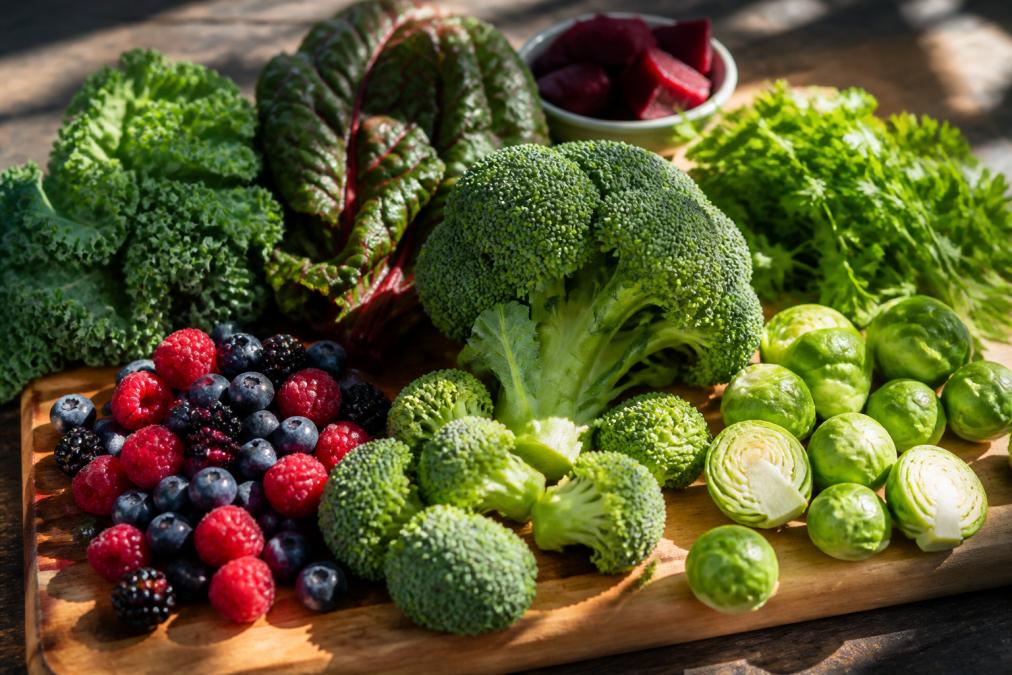
Broccoli, Brussels sprouts, cabbage, and cauliflower contain glucosinolates that convert to sulforaphane when chewed or cooked. Sulforaphane activates Phase II detoxification enzymes, particularly glutathione S-transferase, which directly supports the conjugation phase of liver function.
The bioavailability of sulforaphane matters considerably. Raw or lightly steamed cruciferous vegetables preserve more active glucosinolates than prolonged cooking.
Berries, Grapes, and Polyphenols
Blueberries, raspberries, and red grapes contain resveratrol and quercetin, polyphenolic compounds that function as antioxidants and hepatoprotective agents. These compounds reduce oxidative stress in liver tissue and support the regeneration of hepatic cells damaged by metabolic stress or inflammation.
Leafy Greens and Chlorophyll
Dark leafy greens, spinach, kale, and collard greens, contain chlorophyll and folate. Chlorophyll supports the elimination of heavy metals and certain toxins, while folate is essential for methylation reactions that occur during Phase II detoxification. Leafy greens also provide magnesium, a cofactor for numerous detoxification enzymes.
Key Nutrients and Their Roles in Liver Health
Beyond whole foods, specific isolated nutrients directly support detoxification pathways. These compounds have been studied for their hepatoprotective effects and their roles in Phase I and Phase II enzyme function. The distinction between food-based and supplemental forms matters for bioavailability and dosage consistency.
Curcumin and Turmeric
Curcumin, the active compound in turmeric, reduces liver inflammation and supports Phase I enzyme activity. It also functions as an antioxidant, protecting hepatic cells from oxidative stress generated during detoxification.
Milk Thistle and Silymarin
Milk thistle seed contains silymarin, a complex of flavonolignans that protects liver cells from toxin-induced damage and supports hepatocyte regeneration. Silymarin works by stabilizing hepatic cell membranes and promoting antioxidant enzyme synthesis within liver tissue.
Glutathione and Antioxidant Defense
Glutathione is the liver's primary endogenous antioxidant and a critical cofactor in Phase II conjugation reactions. It directly neutralizes reactive intermediates produced during Phase I detoxification and protects hepatic cells from oxidative damage.
Selenium and Sulfur Compounds
Selenium is essential for glutathione peroxidase, a key Phase II enzyme that neutralizes hydrogen peroxide and lipid peroxides in liver tissue. Sulfur compounds, found in garlic, onions, and cruciferous vegetables, directly participate in sulfation pathways during Phase II detoxification.
How to Support Liver Regeneration Naturally
Liver regeneration, the process by which hepatic tissue repairs and replaces damaged cells, depends on adequate nutrient availability and metabolic stability. This is where the timing, dosage, and combination of ingredients becomes critical.
Timing and Dosage: Getting Bioavailability Right
The liver's metabolic activity follows circadian rhythms. Phase I enzyme activity peaks in the morning and early afternoon, while Phase II activity remains more stable across the day. Timing supplementation to align with these rhythms may improve efficacy, though individual variation is substantial.
Combining Ingredients for Synergistic Effect
Individual nutrients support specific detoxification steps, but combining them addresses the entire pathway. A synergistic formula includes Phase I support (curcumin), Phase II conjugation factors (milk thistle, NAC), antioxidant protection (quercetin, selenium), and cellular regeneration support (beet root, choline).
Lifestyle Factors That Amplify Nutrient Impact
Supplementation without lifestyle support produces minimal results. Sleep deprivation impairs Phase I and Phase II enzyme expression. Chronic stress elevates cortisol, which suppresses antioxidant enzyme synthesis. Poor hydration reduces the elimination of water-soluble conjugated toxins.
Liver Health Supplements: Science Behind Formulation
Not all supplements claiming liver support are formulated with equal rigor. The difference between a therapeutic supplement and an ineffective product lies in ingredient selection, dosage, formulation chemistry, and manufacturing standards.
What Makes a Supplement Science-Backed
A science backed ingredient for liver detox has published clinical evidence demonstrating its effect on liver function, detoxification markers, or hepatic health outcomes. This evidence should come from peer-reviewed research, not manufacturer claims.
Drug-Nutrient Interactions and Safety Thresholds
Certain supplements interact with medications by competing for the same metabolic pathways. Milk thistle, for example, is metabolized by cytochrome P450 enzymes, the same system that processes many prescription drugs. This can increase blood levels of medications metabolized this way, potentially causing toxicity.
Common Mistakes in Liver Support Supplementation
Most people approach liver support with misconceptions that undermine results. Understanding these mistakes prevents wasted effort and potential harm.
Frequently Asked Questions
Can science-backed ingredients for liver detox actually reverse fatty liver disease?
Ingredients like milk thistle, curcumin, and glutathione support your liver's natural regeneration and reduce oxidative stress, but they work best alongside lifestyle changes. Fatty liver reversal requires sustained effort: dietary modification, exercise, and weight management typically show results over months. Supplements enhance these efforts, they're not standalone treatments. Consult your doctor about your specific diagnosis; non-alcoholic fatty liver disease responds differently depending on severity and individual metabolic factors.
What makes a liver supplement science-backed versus marketing hype?
Science-backed supplements have clinical research showing their specific ingredients work at studied dosages in human trials. Look for formulas listing bioavailable forms (like curcumin with piperine for absorption), transparent sourcing, and third-party testing results. Marketing hype uses vague claims ('powerful detox') without citing mechanisms or dosages. Check if the brand publishes actual studies on their formula's combination, not just individual ingredients.
Is it safe to take liver detox supplements if I'm on other medications?
Some liver-support ingredients interact with medications. Milk thistle can affect how your body processes certain drugs; curcumin may increase bleeding risk with anticoagulants; and high-dose antioxidants can interfere with specific medications. Always inform your doctor about supplements before starting, especially if you take blood thinners, diabetes medications, or immunosuppressants. Your pharmacist can check for interactions specific to your regimen. Dosage and timing matter, taking supplements at different times than medications reduces interaction risk.
How long does it take to notice results from liver health supplements?
Results depend on starting liver health, adherence to dosage, diet quality, and lifestyle factors like sleep and stress. Liver regeneration is a slow biological process; hepatic cells take months to repair. Results depend on starting liver health, adherence to dosage, diet quality, and lifestyle factors like sleep and stress. If you see no change after 8 weeks, your liver may need additional support beyond supplementation, discuss this with your healthcare provider.
What's the difference between 'detoxing' your liver and 'supporting' liver health?
Your liver detoxifies continuously through phase I and phase II metabolic pathways, it doesn't need external 'detox' products. What it needs is nutritional support to run those processes efficiently. Science-backed ingredients like curcumin, milk thistle, and glutathione provide cofactors and antioxidants that reduce oxidative stress and support cellular repair. 'Detox' is marketing language; 'liver support' is accurate. The distinction matters because real support works with your body's existing systems, not against them.
Why does bioavailability matter in liver supplement formulas?
Bioavailability is how much of an ingredient your body actually absorbs and uses. Curcumin alone has poor bioavailability; combined with piperine (black pepper extract), absorption increases dramatically. Milk thistle's silymarin is better absorbed with fat. If a formula lists ingredients without bioavailability enhancers, you may absorb only 5-10% of what you take. Science-backed formulas optimize absorption through pairing, dosage form, and timing. Check labels for these details, they distinguish effective supplements from expensive urine.