

Quick Summary
A liver supplement ingredient is only as trustworthy as its sourcing, so check the origin, species, plant part and processing of each one. Look at the Supplement Facts panel for named ingredients, clear per-serving amounts and standardization. Ask for lot-specific certificates of analysis and independent third-party testing before you buy.
- Check that the ingredient on the label matches what is inside the capsule.
- Botanicals should list the scientific name and plant part, such as seed or leaf.
- Ask whether a proprietary blend hides exact per-serving amounts.
- Request a certificate of analysis tied to the lot number on the bottle.
- Discuss any liver product with your doctor, especially if you take medication.
Table of Contents
- Why Ingredient Sourcing Matters in Liver Supplements
- Reading the Supplement Facts and Ingredient List
- Tracing Animal and Botanical Ingredients to Their Source
- Milk Thistle Supplement Quality: What to Check
- Third-Party Testing for Supplements and Desiccated Liver
- Ingredients and Products That Can Strain Your Liver
- Checklist: Verifying a Liver Supplement Before You Buy
- Frequently Asked Questions
Why Ingredient Sourcing Matters in Liver Supplements
Last Updated: November 14, 2026
A liver supplement ingredient list is only as good as the sourcing behind each ingredient inside it. Buyers often ask where each ingredient comes from before they trust a bottle. Liver supplement ingredient sourcing is the process of checking the origin, species, plant part and processing of each ingredient. Done well, it shows whether a label is accurate and whether a product is worth the money.
Many people with fatty liver or long-term sluggishness start looking at supplements after a doctor visit. The label feels like a promise, yet it often says very little about where the turmeric grew or whether the milk thistle was standardized. That gap is where sourcing matters.
Sourcing matters for three reasons:
- Accuracy: The ingredient on the label should match what is in the capsule.
- Consistency: Plant ingredients vary by growing region, harvest season and processing method.
- Safety: Contamination from soil, heavy metals or microbes can enter at any step.
Supplements are regulated differently from prescription drugs in the United States (the FDA). The FDA guidance on dietary supplement labeling explains what manufacturers must list, but it does not require every farm of origin to be published. That means buyers need to ask more questions on their own.
Reading the Supplement Facts and Ingredient List
The Supplement Facts panel is the first place to check a liver product. It lists each active ingredient, the amount per serving and the form used. Look for the plant part, such as root, leaf or whole herb, and the extract ratio if one is given.
Use this quick checklist when you read a label:
- Ingredient name: Is the common name paired with a scientific name?
- Plant part: Does it say root, leaf, seed or whole herb?
- Amount per serving: Is the dose listed in milligrams, not just "proprietary blend"?
- Standardization: Does it name a marker compound, such as a percentage of active constituents?
- Other ingredients: Are fillers and capsule materials listed?
A "proprietary blend" hides exact amounts. That does not make a product bad, but it makes sourcing harder to judge. Ask the manufacturer for the amount of each ingredient before you buy.
Tracing Animal and Botanical Ingredients to Their Source
Most liver supplements use plant ingredients, while some use desiccated animal liver. Each type needs a different sourcing approach, and the difference shows up in the paperwork a supplier can produce.
Species, Tissue and Production-Method Comparisons
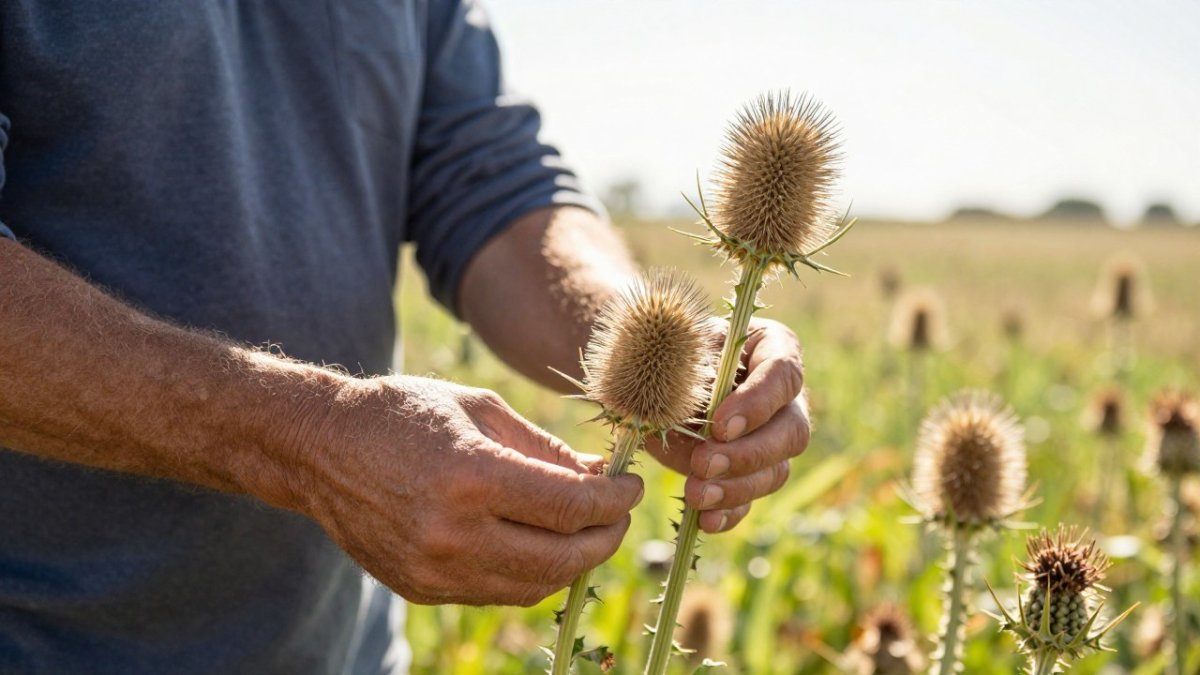
For botanicals, the species name is the first filter. Milk thistle is Silybum marianum, and dandelion root is Taraxacum officinale. A label that says only "milk thistle" without the species or plant part leaves the sourcing question unanswered, because leaf and seed carry very different silymarin levels.
For animal-derived ingredients, compare species and tissue before comparing brands:
- Beef liver: The most common desiccated source. It is dense in preformed vitamin A, B12, iron and copper, so the tissue source and the amount per serving matter for anyone watching vitamin A intake.
- Pork liver: Similar nutrient profile but different fat content and a milder flavor; ask whether the supplier uses pasture-raised or conventional animals.
- Sheep (lamb) liver: Less common in capsules, often used in freeze-dried form; confirm the tissue is liver and not a blend of organ meats.
- Poultry liver: Lower in vitamin A than beef liver per gram, which can matter for people who take other vitamin A sources.
Production method changes the finished ingredient as much as the species does. Desiccated liver is dried and powdered organ tissue, so drying temperature affects nutrient retention: high-heat drying reduces some heat-sensitive vitamins, while low-temperature or freeze-drying tends to keep more. Pasture-raised and grass-fed claims describe the animal's diet and living conditions, not the nutrient content of the finished powder, so treat them as sourcing claims that need documentation rather than as quality guarantees.
Lot-Level Traceability and Chain of Custody
Country of origin is one of the most useful sourcing details, but it is only the start. A supplier should be able to trace a specific lot number back to the grower or farm, the harvest or slaughter date, and the processing facility. Ask for these records in writing:
- A certificate of analysis (COA) tied to the lot number on the bottle
- Grower or farm records showing harvest date and region
- A statement on pesticide, heavy metal and microbial testing
- For animal tissue, slaughter and processing records that name the species and tissue
A common pattern is a supplier who can name the country but not the farm, or who provides a COA that does not match the lot on the label. Watch out: a COA without a lot number is a generic document, not a batch record, and it cannot confirm what is in your bottle.
Renew Liver Booster is made in the USA and lists its ingredients on the label.
The table below compares the animal and botanical sources the article covers, with the key sourcing point for each.
| Source | Key feature | Sourcing point |
|---|---|---|
| Beef liver | Dense in vitamin A, B12, iron, copper | Check tissue source and amount per serving |
| Pork liver | Similar nutrients, milder flavor | Ask if animals are pasture-raised or conventional |
| Sheep (lamb) liver | Often freeze-dried | Confirm tissue is liver, not a blend |
| Poultry liver | Lower vitamin A per gram | Relevant if taking other vitamin A sources |
| Milk thistle seed | Carries more silymarin than leaf | Check for standardized silymarin percentage |
| Milk thistle leaf | Lower silymarin levels | Confirm plant part on the label |
Milk Thistle Supplement Quality: What to Check
Milk thistle is one of the most common ingredients in liver products. Its key active group is silymarin, so quality depends on how much silymarin is present and how it was extracted. Review the research comparing milk thistle with turmeric for the liver See how milk thistle compares with dandelion root for liver health
Check these points before you buy:
- Standardized extract: Does the label state a silymarin percentage?
- Seed or whole plant: Seed extract usually carries more silymarin than leaf.
- Dose: Is the amount per serving clear?
A common mistake is comparing milk thistle products by capsule count alone. Two bottles with the same count can contain very different amounts of active ingredient.
Third-Party Testing for Supplements and Desiccated Liver
Third-party testing means an independent lab checks the product against a standard. Look for seals from recognized programs, and read the test scope. Some programs confirm identity and potency, while others also test for heavy metals, microbes and contaminants.
For desiccated liver, testing matters even more. Animal tissue can carry residues if the source animals were not raised carefully, and the drying process can concentrate contaminants. A liver-specific testing plan should cover:
- Identity: Confirms the species and tissue, such as beef liver versus a blend of organ meats, and confirms botanical species such as Silybum marianum.
- Nutrient variability: Checks vitamin A, B12, iron and copper levels, which vary by species, tissue and season.
- Microbiological hazards: Tests for total plate count, yeast and mold, E. coli, Salmonella and other pathogens that can survive incomplete drying.
- Heavy metals: Tests for lead, arsenic, cadmium and mercury, which can accumulate in organ tissue and in soil-grown herbs.
- Residues: Screens for pesticides in botanicals and veterinary drug residues in animal tissue.
- Oxidation: Measures peroxide value or similar markers, because fats in liver powder can go rancid during storage.
Lab reports should show the test date, the batch number and the method used. If a company cannot provide these details, treat that as a warning sign. A common pattern is a report that lists identity and potency but skips heavy metals and microbiological testing, which are the checks most relevant to liver ingredients.
Watch out: a passing COA from a raw-material supplier does not automatically cover the finished product, because blending, encapsulation and storage can introduce new risks. Ask for finished-product testing as well as raw-material testing, and confirm the lab is independent of the manufacturer.
Ingredients and Products That Can Strain Your Liver
Some ingredients and products can stress the liver, even when they are sold as supplements. Excess vitamin A from some animal liver products, and very high doses of herbs such as kava or green tea extract, have been linked to liver injury in case reports. A supplement can also interact with prescription medications.
Talk to your doctor before starting any liver product, especially if you take medication or have a liver condition. Learn how liver supplements can interact with medication Bring the full label so your doctor can check each ingredient.
Checklist: Verifying a Liver Supplement Before You Buy
Use this checklist before you add a liver product to your cart:
- The Supplement Facts panel lists each ingredient with an amount
- Botanicals include the scientific name and plant part
- Animal-derived ingredients name the species and tissue
- Country of origin or harvest region is stated or available on request
- A certificate of analysis or batch test is available
- Third-party testing covers identity, potency and contaminants
- You have checked the label with your doctor, especially if you take medication
Once you have checked the label, you can compare options with confidence. Walk through our at-home quality-control steps to go beyond the label. Renew Liver Booster is one option to review against this list.
Frequently Asked Questions
How can you tell whether a supplement ingredient is high quality?
Start with the label. A quality liver supplement ingredient list names each botanical by its scientific name, such as Silybum marianum for milk thistle or Beta vulgaris for beet root, and states the plant part used. Look for a lot number and a manufacturer address. Ask the manufacturer what testing it performs on each ingredient lot. Vague terms like proprietary blend without amounts are a reason to ask more questions before buying.
What should you look for on a liver supplement label?
The Supplement Facts panel should list each ingredient with its amount per serving, and the ingredient list should show the source of botanicals and any animal-derived materials. Check the serving size and number of servings per container, the suggested use and the warnings, including who should consult a doctor first. The label should also show the manufacturer or distributor name and a lot number. Under federal rules, dietary supplements are not reviewed by the FDA for effectiveness before sale, so the label is one of the few places to verify what is inside.
Are dietary supplements tested for safety and quality by the FDA?
Under the Dietary Supplement Health and Education Act of 1994, the FDA does not approve dietary supplements before they reach the market. Manufacturers are responsible for making sure their products are safe and accurately labeled, and the FDA can act against products that are adulterated or misbranded after they are sold. Because of this, many buyers look for third-party certification from organizations such as USP or NSF International, which test products against published standards for identity, potency and contaminants.
Can supplements harm your liver?
Some supplements have been linked to liver injury, and the risk can rise with high doses, long use, or combination with prescription medicines. Green tea extract, high-dose niacin, kava and some multi-ingredient weight loss or detox products have all been associated with liver problems in published case reports. If you have fatty liver or any liver condition, talk with your doctor before starting a new supplement, and bring the full label so they can check for ingredients that may interact with your medications.
