

Table of Contents
- Milk Thistle vs Dandelion Root: Key Differences
- Benefits of Milk Thistle for Liver Health
- Dandelion Root as a Liver Support Herb
- Combining Herbal Liver Supplements: Safety and Synergy
- How Long to Take Liver Supplements for Results
- Drug-Herb Interactions and Safety Considerations
- Which One Should You Choose?
- Frequently Asked Questions
Last Updated: September 25, 2026
Milk Thistle vs Dandelion Root: Key Differences
When it comes to natural liver support, milk thistle and dandelion root are two of the most popular herbal options. But they work in fundamentally different ways. Milk thistle focuses on protecting and regenerating liver cells through its active compound silymarin. Dandelion root, by contrast, stimulates bile flow and acts as a natural diuretic. Understanding these differences is essential before choosing which herb, or whether to combine them, makes sense for your situation.
Milk thistle is hepatoprotective, it shields liver cells from damage. Dandelion root is a cholagogue that promotes bile production and flow. These functions complement each other, which is why many people use them together.
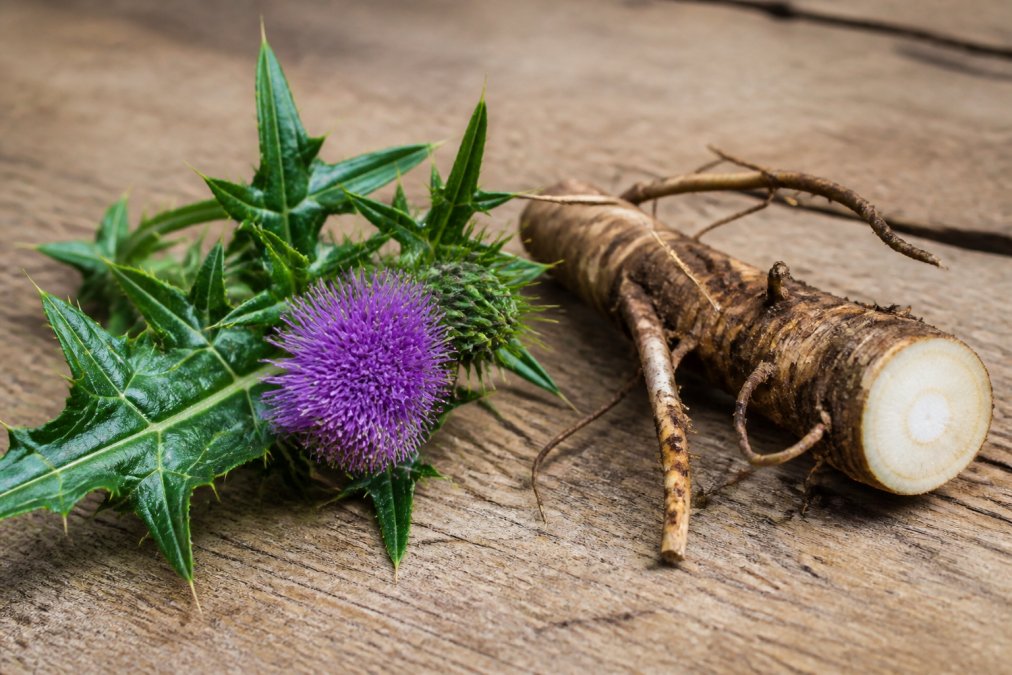
The choice between them depends on your specific liver health goals. Are you dealing with fatty liver disease, oxidative stress, or sluggish digestion? Your answer shapes which herb, or combination, serves you best.
Benefits of Milk Thistle for Liver Health
Milk thistle has become synonymous with liver support for good reason. The herb contains silymarin, a potent flavonoid complex that directly protects hepatocytes, the functional cells of your liver. This protection happens at the cellular level, which is why milk thistle is often recommended for people managing fatty liver disease or liver inflammation. But not all milk thistle products deliver the same benefit, the form and quality of the extract matter enormously.
How Silymarin Protects Liver Cells
Silymarin works by stabilizing cell membranes and increasing glutathione production within liver cells. Glutathione is your body's master antioxidant; it neutralizes harmful free radicals that damage liver tissue. When oxidative stress accumulates, your liver's ability to perform detoxification pathways declines. Silymarin interrupts this cycle by boosting your cells' natural defense systems.
Silymarin promotes liver regeneration by supporting cell structural integrity and recovery capacity. This is particularly important for non-alcoholic fatty liver disease, where cells become inflamed and accumulate excess fat.
Standardized Extracts vs. Whole Herb Powder: The Bioavailability Problem
Raw milk thistle seeds contain only 1-4% silymarin by weight. This means a 500 mg capsule of whole seed powder delivers roughly 5-20 mg of silymarin, far below the clinically effective range. Most human studies showing liver benefits used silymarin doses of 140-420 mg daily, often split into multiple doses.
Standardized extracts are processed to concentrate silymarin. A quality standardized extract contains 70-80% silymarin. A 200 mg capsule of standardized extract delivers 140-160 mg of silymarin, enough to match clinical trial dosages. This is why standardized extracts are preferred over whole herb powders for actual therapeutic effect.
Third-party testing by NSF International or USP verifies that products contain what the label claims and are free of contaminants. Look for these seals to ensure standardization accuracy.
Low-quality supplements without standardization or third-party testing may contain less than 30% silymarin, producing minimal results despite months of use.
Bioavailability and Absorption
Even standardized extracts face an absorption challenge: silymarin is poorly water-soluble, meaning your digestive system struggles to absorb it efficiently. Studies show that only 20-50% of ingested silymarin is actually absorbed into the bloodstream. The rest passes through your system unused.
Silymarin phytosome formulations bind silymarin to phospholipids, increasing bioavailability to 50-70%. These products cost more but deliver significantly better absorption.
Taking milk thistle with a meal containing fat (olive oil, nuts, avocado) also improves absorption, since silymarin is fat-soluble. Empty-stomach dosing is less effective.
Milk Thistle and Fatty Liver Disease
Fatty liver disease often progresses silently until routine blood tests reveal elevated liver enzymes, at which point cells are already accumulating fat and inflammation.
Milk thistle supports the liver's ability to process and eliminate excess fat by enhancing detoxification and reducing inflammation.
A 2016 systematic review in Phytotherapy Research found that silymarin supplementation improved liver enzyme markers (ALT and AST) in people with non-alcoholic fatty liver disease, though the effect size was modest. Most studies lasted 8-24 weeks, suggesting meaningful improvement requires consistent use over months.
Milk thistle works best combined with calorie reduction, increased physical activity, and reduced refined carbohydrate intake. Silymarin alone cannot reverse fatty liver if diet and lifestyle remain unchanged.
Dandelion Root as a Liver Support Herb
Dandelion root stimulates bile production and flow, complementing milk thistle's cell-protective role.
Bile Flow and Digestive Health
Bile carries waste products, excess cholesterol, and metabolic byproducts out of your liver for elimination. When bile flow slows, these substances accumulate, creating a bottleneck in elimination pathways.
Dandelion root's bitter compounds signal your liver to increase bile production, clearing accumulated waste and supporting better digestion. Many people report improved digestion and reduced bloating.
Dandelion root supports gallbladder function by keeping bile flowing, reducing gallstone risk and ensuring efficient digestion.
Diuretic Properties and Water Retention
Dandelion root's mild diuretic effect helps eliminate excess water without depleting electrolytes like pharmaceutical diuretics do, benefiting those with water retention or bloating.
The diuretic effect supports liver function indirectly by improving kidney efficiency, reducing burden on the liver.
Combining Herbal Liver Supplements: Safety and Synergy
Many people wonder whether they can take milk thistle and dandelion root together. The short answer is yes, and in many cases, combining them creates synergistic effects that neither herb achieves alone.
Here's why the combination works: milk thistle protects liver cells and supports regeneration, while dandelion root enhances the liver's output and elimination capacity. One herb shields the organ, the other helps it function more efficiently. Together, they address both protection and performance.
A well-designed liver support formula combines these herbs in clinically appropriate dosages with complementary ingredients like turmeric or beet root for additional antioxidant support.
Renew Liver Booster combines milk thistle with turmeric and beet root in a single formula designed for synergistic effect.
| Herb | Primary Function | Best For | Key Compound |
|---|---|---|---|
| Milk Thistle | Cell protection & regeneration | Fatty liver, inflammation | Silymarin |
| Dandelion Root | Bile flow & digestion | Sluggish digestion, water retention | Bitter compounds |
| Combined | Full-spectrum liver support | Comprehensive liver health | Both |
How Long to Take Liver Supplements for Results
If you have fatty liver disease or significant liver inflammation, expect at least 8-12 weeks before noticing meaningful changes in energy levels or digestion.
Hepatocytes regenerate gradually, and reducing inflammation takes time. Excessive doses won't speed recovery and may stress your system.
Most practitioners recommend a consistent daily routine for at least 90 days before evaluating results. Variation depends on liver damage severity and adherence to dietary and lifestyle changes.
Consistency matters more than dosage. Daily supplementation for 90 days produces better results than sporadic high doses.
After 90 days, many continue liver support supplements as maintenance to prevent future damage, especially with regular alcohol consumption or environmental toxin exposure.
Drug-Herb Interactions and Safety Considerations
Milk thistle and dandelion root can meaningfully alter how your body processes certain drugs, with consequences ranging from reduced medication efficacy to dangerous side effects. Know potential interactions before starting.
Milk Thistle Drug Interactions
Silymarin is metabolized through the cytochrome P450 enzyme system (CYP3A4 and CYP2C9 pathways), meaning milk thistle can inhibit or induce these enzymes and alter medication processing.
Blood thinners and anticoagulants: Milk thistle may reduce warfarin effectiveness or increase bleeding risk. Direct oral anticoagulants like apixaban and rivaroxaban may have reduced efficacy when combined with milk thistle.
Diabetes medications: Milk thistle may enhance metformin, sulfonylureas, or insulin effects, potentially lowering blood sugar too much. Monitor blood glucose closely or avoid the combination.
Statins (atorvastatin, simvastatin, lovastatin): Milk thistle may increase statin levels, raising risk of muscle pain, weakness, or rhabdomyolysis, especially at higher doses.
Immunosuppressants (tacrolimus, cyclosporine): Milk thistle can reduce blood levels, potentially triggering organ rejection.
Dandelion Root Drug Interactions
Dandelion root's primary mechanism, diuretic and bile-stimulating, creates a different but equally important interaction profile.
The Bioavailability Factor in Interactions
One often-overlooked detail: standardized extracts create more predictable interactions than whole herb powders. A standardized milk thistle extract with 70-80% silymarin will produce consistent enzyme inhibition. A low-quality powder with 20% silymarin may not trigger interactions at all, but it also won't provide therapeutic benefit. This unpredictability is why quality matters for safety, not just efficacy.
What to Do Before Starting
The safest approach is transparency and documentation. Create a written list of every medication and supplement you take, including dosages and frequency. Bring this list to your next appointment with your primary care physician or pharmacist. Ask specifically: "Are milk thistle and dandelion root safe with my current medications?" Most pharmacists can run an interaction check in their system in minutes.
Which One Should You Choose?
The decision between milk thistle and dandelion root depends on your specific liver health needs.
Frequently Asked Questions
Can I take milk thistle and dandelion root together?
Yes, milk thistle and dandelion root can be taken together and may work synergistically. Milk thistle's silymarin supports hepatocyte protection while dandelion root stimulates bile flow and acts as a cholagogue. Many formulations combine both for comprehensive liver support. However, consult your healthcare provider before combining supplements, especially if you take medications that affect liver metabolism or have gallbladder conditions.
How long does it take for milk thistle to support liver health?
Most people require 4-12 weeks of consistent milk thistle supplementation before noticing meaningful support for liver function. Clinical evidence suggests standardized silymarin extracts (70-80% silymarin) work best at therapeutic dosages. Liver cell regeneration and improved detoxification capacity develop gradually. Results depend on baseline liver health, dosage consistency, and whether you address underlying factors like diet and alcohol consumption. Keep taking liver supplements as directed, stopping prematurely may reduce benefits.
Does milk thistle really repair the liver?
Milk thistle doesn't 'repair' liver damage in the way a medication might, but silymarin does support liver cell protection and regeneration. Clinical research shows it helps maintain hepatocyte function, reduce oxidative stress, and support glutathione production. For fatty liver disease, milk thistle may help slow progression and support metabolic health, though it works best alongside lifestyle changes. It's a supportive supplement, not a treatment, your doctor should monitor liver function tests if you have diagnosed liver disease.
Is it safe to take liver supplements if I'm on other medications?
Milk thistle and dandelion root can interact with certain medications, particularly those metabolized by the liver (like warfarin, statins, or immunosuppressants). Both herbs may affect cytochrome P450 enzymes, which process many drugs. Dandelion's diuretic properties may interact with blood pressure or diabetes medications. Always disclose all supplements to your doctor or pharmacist before starting a new liver supplement regimen, especially if you take prescription medications or have liver disease.