

Last Updated: November 22, 2026
Quick Summary
No, liver supplements cannot reverse fatty liver on their own. Weight loss and dietary change have the most consistent evidence for reducing liver fat, and supplements are not a substitute for them. Most supplement categories land at moderate or weak evidence.
- Weight loss of 5-10% of body weight is the range most consistently linked to measurable reductions in liver fat.
- Omega-3 fatty acids and vitamin E carry moderate evidence grades; milk thistle, curcumin and multivitamins grade weak.
- High-dose vitamin E used in steatohepatitis trials was 800 IU per day and can increase bleeding risk.
- Measurable improvement on imaging and liver enzymes typically takes three to six months of sustained effort.
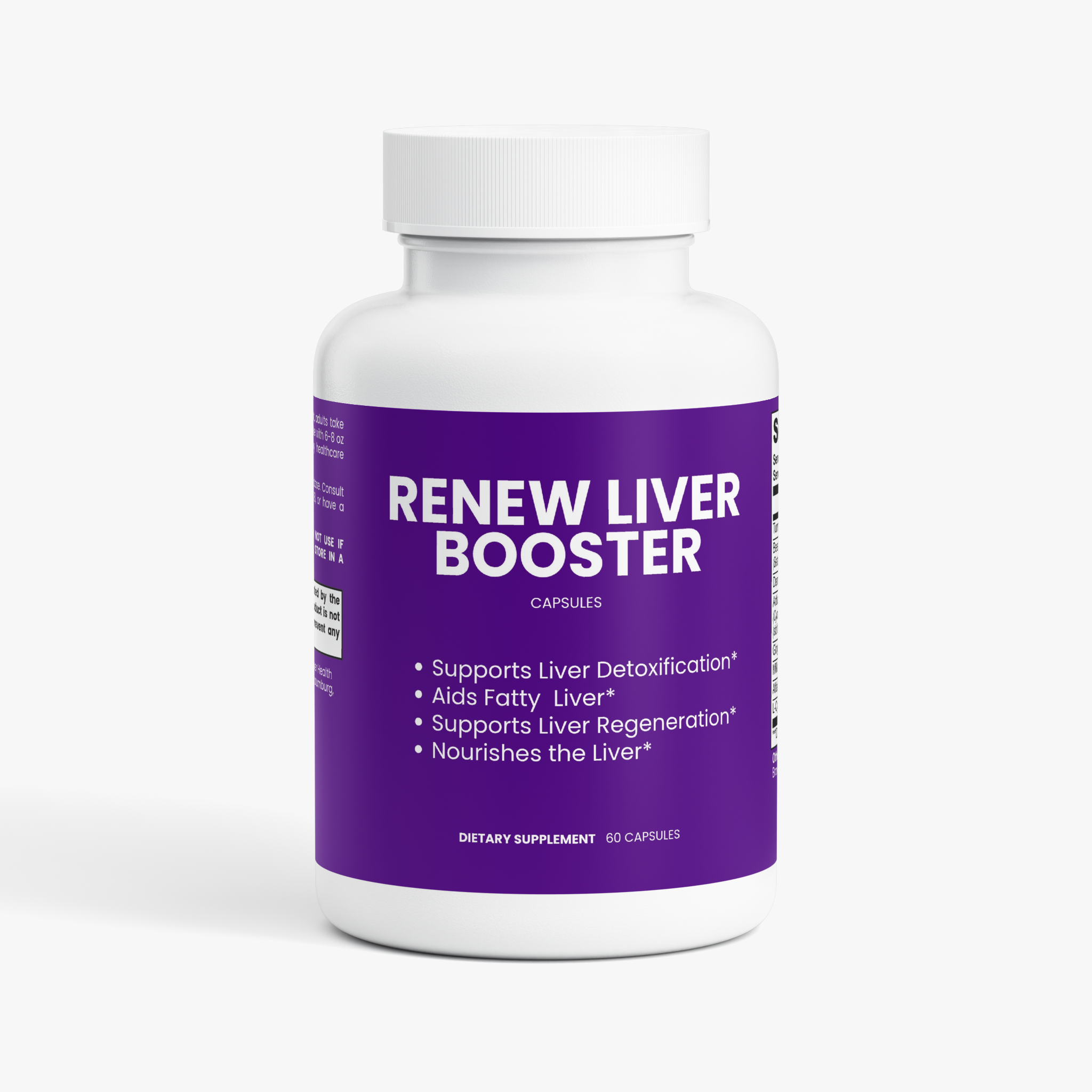
- Renew Liver Booster is priced at $37.75 for a 60-capsule supply and is not intended to treat disease.
Table of Contents
- The Short Answer on Whether Liver Supplements Reverse Fatty Liver
- How We Graded the Evidence for the Best Liver Supplements for Fatty Liver
- Milk Thistle, Turmeric and Other Herbal Options: What the Trials Show
- The Best Omega-3 Supplements for Fatty Liver and the Vitamin Evidence
- Safety First: Drug Interactions, Liver Toxicity and Dose
- How to Reduce Liver Fat Naturally Without Relying on Pills
- How Long Does It Take to Improve Fatty Liver?
- Choosing a Liver Supplement You Can Actually Verify
- Frequently Asked Questions
The Short Answer on Whether Liver Supplements Reverse Fatty Liver
No, liver supplements cannot reverse fatty liver on their own. That is the honest answer, and it comes from how the disease works rather than from any product label.
Supplements are not a substitute for weight loss and dietary change, which have the most consistent evidence for reducing liver fat.
Fatty liver disease is excess fat accumulation in liver cells, defined by fat content rather than alcohol intake.
What MASLD and NAFLD Actually Mean
NAFLD stands for nonalcoholic fatty liver disease, the older umbrella term for liver fat accumulation in people who drink little or no alcohol. MASLD, metabolic dysfunction-associated steatotic liver disease, is the newer name tying the condition to metabolic risk factors like insulin resistance, obesity, and elevated triglycerides.
The renaming matters: MASLD is a metabolic condition that shows up in the liver. Treating it as a liver problem alone misses the mechanism.
Why No Pill Replaces Fat Loss
Hepatic steatosis responds to energy balance. When people lose weight, liver fat tends to fall alongside it, showing up in liver enzymes and imaging. No supplement has been shown to reproduce that effect independently.
Treating a supplement as a substitute for dietary work rather than an addition is why so many people cycle through products and conclude nothing works.
How We Graded the Evidence for the Best Liver Supplements for Fatty Liver
We graded every supplement category on three criteria: whether human randomized controlled trials exist, whether those trials measured liver fat or liver enzymes rather than vague wellness outcomes, and whether findings held across more than one study. Consistent human trial data earns a strong or moderate grade; mechanistic reasoning or small single trials earns a weak grade.
What Strong, Moderate and Weak Evidence Mean Here
- Strong: multiple randomized controlled trials in humans, consistent direction, measurable liver endpoints.
- Moderate: at least one decent human trial plus supportive smaller studies, but mixed or limited replication.
- Weak: mechanistic plausibility, animal data, or small trials without replication.
Most supplement categories land at moderate or weak. That is not a reason to dismiss them, but it is a reason to keep expectations calibrated.
| Supplement category | Evidence grade | What trials suggest | Main caveat |
|---|---|---|---|
| Omega-3 fatty acids | Moderate | May lower liver fat and triglycerides | Dose and formulation vary widely |
| Vitamin E | Moderate | May improve liver enzymes in some patients | Risk at high doses; not for everyone |
| Milk thistle | Weak | Mixed results on liver enzymes | Poor absorption of silymarin |
| Curcumin | Weak | Small trials, mostly combined formulas | Absorption limits |
| Probiotics | Weak to moderate | Early signals on liver enzymes | Strain-specific, hard to generalize |
| Multivitamin/mineral | Weak | Corrects deficiency, does not treat steatosis | Not a treatment |
Milk Thistle, Turmeric and Other Herbal Options: What the Trials Show
Curcumin, the compound in turmeric, has drawn interest for anti-inflammatory effects.
If you are weighing these two directly, our milk thistle vs turmeric comparison breaks down the trial evidence side by side.
Probiotics deserve a mention because the gut-liver axis is real and early trials show signals on liver enzymes.
Herbal products are also the category most likely to be adulterated or underdosed.
The Best Omega-3 Supplements for Fatty Liver and the Vitamin Evidence
Omega-3 fatty acids are among the better-studied supplement categories in fatty liver research, though none of the supplements sold here are omega-3 products.
For the best omega-3 supplements for fatty liver, look at three things: total EPA and DHA per serving rather than total fish oil weight, third-party oxidation testing, and a triglyceride or re-esterified form if absorption is a concern. A product listing "1,000 mg fish oil" tells you almost nothing if EPA and DHA content is not stated separately.
Vitamin E, Vitamin D and Minerals
Vitamin E has moderate evidence for improving liver enzymes in some patients with steatohepatitis, but the doses studied are high and carry real risk, including bleeding concerns and long-term safety questions.
Vitamin D deficiency is common in people with fatty liver, and correcting a deficiency is reasonable. Correcting a deficiency is not the same as treating the disease.
Minerals follow the same logic. If your bloodwork shows a shortfall, address it. Otherwise, a multivitamin is insurance, not therapy.
Safety First: Drug Interactions, Liver Toxicity and Dose
Watch out: the most dangerous assumption in this category is that "natural" means "no interactions." Herbal and dietary supplements can, in some cases, interact with common medications through the liver enzymes that process drugs. The FDA does not review supplement safety or efficacy before products reach the shelf, so the burden of caution falls on you and your clinician (the FDA).
The interactions that actually matter
- Blood thinners and antiplatelet drugs. High-dose vitamin E (the trials in steatohepatitis used 800 IU per day) can increase bleeding risk, particularly alongside warfarin, apixaban, rivaroxaban, clopidogrel, or daily aspirin. Gingko, garlic extracts, and high-dose fish oil can add to that effect.
- Drugs processed by CYP3A4 and other liver enzymes. Some herbal ingredients, including milk thistle and turmeric, may alter how the liver metabolizes certain prescription drugs; check with your clinician. That matters most for narrow-therapeutic-index drugs: tacrolimus and other transplant immunosuppressants, warfarin, certain statins, some anti-seizure medications, and many chemotherapy agents.
- Diabetes and blood-pressure medications. If a supplement shifts liver metabolism or your weight changes, your clinician may need to adjust metformin, sulfonylureas, insulin, or antihypertensives. Do not self-adjust; report the supplement and retest.
Dose and product-quality cautions
- Vitamin E is not a casual daily add-on. The doses studied in steatohepatitis are far above a standard multivitamin, and long-term high-dose use carries bleeding and mortality questions. Use it only under clinician supervision.
- Herbal products are the category most likely to be adulterated, underdosed, or mislabeled. Independent testing has repeatedly found products that do not match their labels. A certificate of analysis from a third-party lab is the minimum bar.
- Combination formulas make it harder to identify what caused a reaction. If you develop fatigue, nausea, dark urine, jaundice, or right-upper-quadrant pain after starting a product, stop it and call your clinician; those are the symptoms that trigger a liver-injury workup.
If you take prescription medication, read our guide to how liver supplements can interact with medication before adding anything. The practical rule: no new supplement while starting or changing a prescription drug, and none without your clinician knowing.
How to Reduce Liver Fat Naturally Without Relying on Pills
The highest-yield action is weight loss in the range of 5-10% of body weight, which is the range most consistently associated with measurable reductions in liver fat.
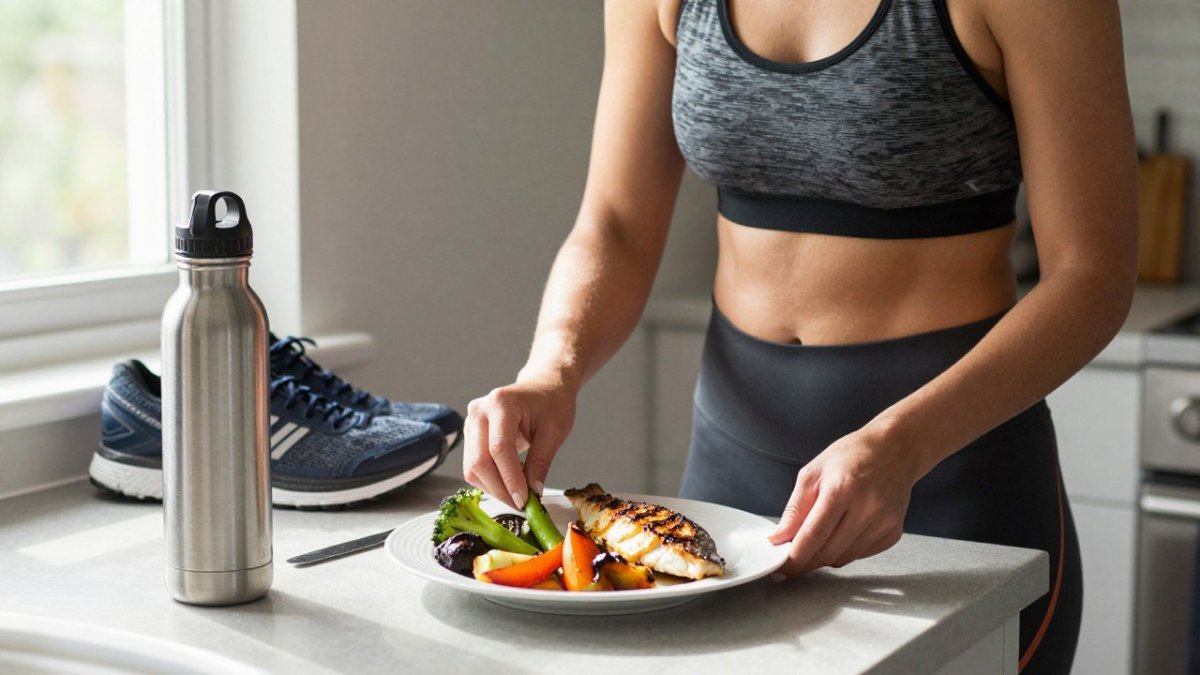
The practical levers:
- Cut liquid sugar and refined carbohydrates first. These drive the insulin resistance that feeds fat accumulation in the liver.
- Reduce processed foods in favor of whole proteins, vegetables, and fiber.
- Add physical activity, including both aerobic exercise and resistance training. Exercise helps independent of weight change.
A common mistake is going extreme for three weeks and then stopping. Slow, sustained change is what moves imaging results. For a deeper protocol, our guide on improving liver health with diet and exercise walks through the specifics.
How Long Does It Take to Improve Fatty Liver?
Expect months, not weeks. Liver fat can begin responding within several weeks of consistent dietary change, but measurable improvement on imaging and liver enzymes typically takes three to six months of sustained effort. Enzyme improvements often come sooner; imaging changes lag. The mismatch that trips people up is that supplements are judged on how you feel in two weeks, while the disease is measured in months.
What "reversal" actually means on a test
Reversal is not one outcome. Clinicians track at least three separate things, and they are not interchangeable:
- Liver fat. Measured by MRI-PDFF (a quantitative MRI technique) or by ultrasound. A meaningful drop in liver fat is the earliest signal and can appear within weeks of a sustained calorie deficit.
- Inflammation and cell injury. Measured by ALT and AST, and by imaging or, in research settings, biopsy. Enzymes can normalize while fat and fibrosis persist, so a normal ALT does not prove reversal.
- Fibrosis (scarring). Assessed with noninvasive scores such as FIB-4 (calculated from age, AST, ALT, and platelets) and, when needed, elastography (FibroScan) or a liver stiffness measurement. Fibrosis is the outcome that matters most for long-term risk, and it improves slowly, if at all, without substantial weight loss.
A common pattern is a patient whose ALT falls on a supplement and who concludes the disease is reversing, when imaging still shows steatosis and FIB-4 is unchanged. Liver enzymes alone do not prove reversal.
A realistic monitoring timeline
- Baseline (before you start anything): ALT, AST, alkaline phosphatase, bilirubin, fasting glucose, HbA1c, a lipid panel, and a FIB-4 calculation. Ask whether imaging (ultrasound or MRI-PDFF) is appropriate for your case.
- 6 to 12 weeks: repeat liver enzymes and metabolic labs if you have made a sustained change. Do not expect imaging to move yet.
- 3 to 6 months: this is when imaging and enzyme trends become interpretable. Recheck FIB-4 if your baseline was elevated.
What can go wrong
Watch out: judging a plan after 30 days, or on a single lab draw, is the most common way people abandon something that was actually working. Track the trend across at least two retests, and have your clinician interpret it against your baseline rather than the lab's reference range alone.
For a deeper protocol on the lifestyle side, our guide on improving liver health with diet and exercise walks through the specifics.
Choosing a Liver Supplement You Can Actually Verify
If you decide to add a supplement alongside lifestyle changes, verify it the way you would any purchase with health implications:
- Is the full ingredient list disclosed with amounts per serving, not a proprietary blend?
- Is there a third-party purity or contaminant test you can actually see?
- Is the manufacturing country stated clearly?
- Are drug interaction warnings printed on the label?
Our buyer's guide to third-party tested liver supplements goes deeper on how to read a certificate of analysis.
Renew Liver Booster is made in the USA with turmeric, milk thistle, beet root, dandelion, artichoke extract, ginger, alfalfa, and L-cysteine.
Fatty liver's most effective tools are also the least profitable to sell: a food plan you can sustain, movement you will repeat, and bloodwork you actually track.
Frequently Asked Questions
Do any liver supplements actually help reverse fatty liver?
No supplement has been shown to reverse fatty liver on its own. The change that consistently reverses hepatic steatosis is losing 5-10% of body weight through diet and physical activity. Supplement trials in fatty liver, including omega-3, vitamin E, milk thistle and curcumin, have produced mixed or limited results.
Can milk thistle or turmeric reverse fatty liver?
Trial results for milk thistle and curcumin are inconsistent and sample sizes are often small. Neither is a substitute for a weight-loss and diet plan. Check with your doctor before starting either.
Can supplements harm your liver?
Some dietary supplements have been associated with liver injury, and the risk may be higher with high doses or products without third-party testing. If you take prescription medications, check for interactions first, and stop any supplement and call your doctor if you notice jaundice, dark urine or worsening fatigue.
How long does it take to improve fatty liver?
With consistent diet changes and weight loss, liver fat and enzyme changes may become measurable over several months. Fibrosis changes more slowly, and imaging follow-up is usually repeated at 6-12 months. Plan on months, not weeks, and track progress with bloodwork and imaging your doctor orders rather than how you feel day to day.
