

Table of Contents
- Understanding the Liver-Fatigue Connection
- Phase I and Phase II Detoxification: What Your Liver Actually Does
- 5 Best Foods for Liver Detoxification
- How to Support Liver Regeneration Naturally
- Supplements and Herbal Support for Liver Health
- Foods to Avoid for Optimal Liver Function
-
Common Mistakes to Avoid During Liver Support
- Mistake 1: Going Too Hard Too Fast and Triggering Herxheimer Symptoms
- Mistake 2: Ignoring Metabolic Variability and Individual Differences
- Mistake 3: Ignoring the Gut-Liver Axis
- Mistake 4: Not Addressing Stress and Sleep
- Mistake 5: Expecting Overnight Results
- Mistake 6: Choosing the Wrong Supplements
- Your Action Plan: Starting an Effective Liver Detox
- Frequently Asked Questions
Last Updated: October 4, 2026
Understanding the Liver-Fatigue Connection
Your liver filters toxins and produces energy 24/7, making effective liver detox for chronic fatigue essential when these processes slow. When it struggles, fatigue, brain fog, and bloating follow. The connection is direct: your liver converts nutrients into fuel, manages blood sugar, and breaks down harmful substances. When these processes slow, your energy crashes.
How Liver Function Impacts Energy Production
Your liver converts food into usable energy. When overwhelmed by toxins and processed foods, metabolic pathways back up. Your cells don't get the fuel they need, and mitochondria can't function at full capacity. This is why poor liver function causes chronic fatigue, it's a physiological reality, not laziness or stress.
Signs of Poor Liver Function and Fatigue
Common signs of poor liver function include persistent tiredness, brain fog, bloating, yellowing of skin or eyes, unexplained weight gain, dark urine or pale stools, and frequent headaches. If you're experiencing three or more, your liver may be struggling.
Phase I and Phase II Detoxification: What Your Liver Actually Does
Your liver runs two detoxification pathways. Phase I breaks down toxins into intermediate compounds (often more toxic than the original). Phase II conjugates these with water-soluble molecules, making them safe to eliminate, requiring sulfur, glutathione, amino acids, and B vitamins. The problem: Phase I runs faster than Phase II can handle, creating a bottleneck where toxins pile up, energy tanks, and inflammation rises. Supporting both phases requires the right foods, supplements, and lifestyle changes working together.
5 Best Foods for Liver Detoxification
Food is your most powerful tool for supporting liver function. These nutrient-dense options give your liver what it needs to work efficiently.
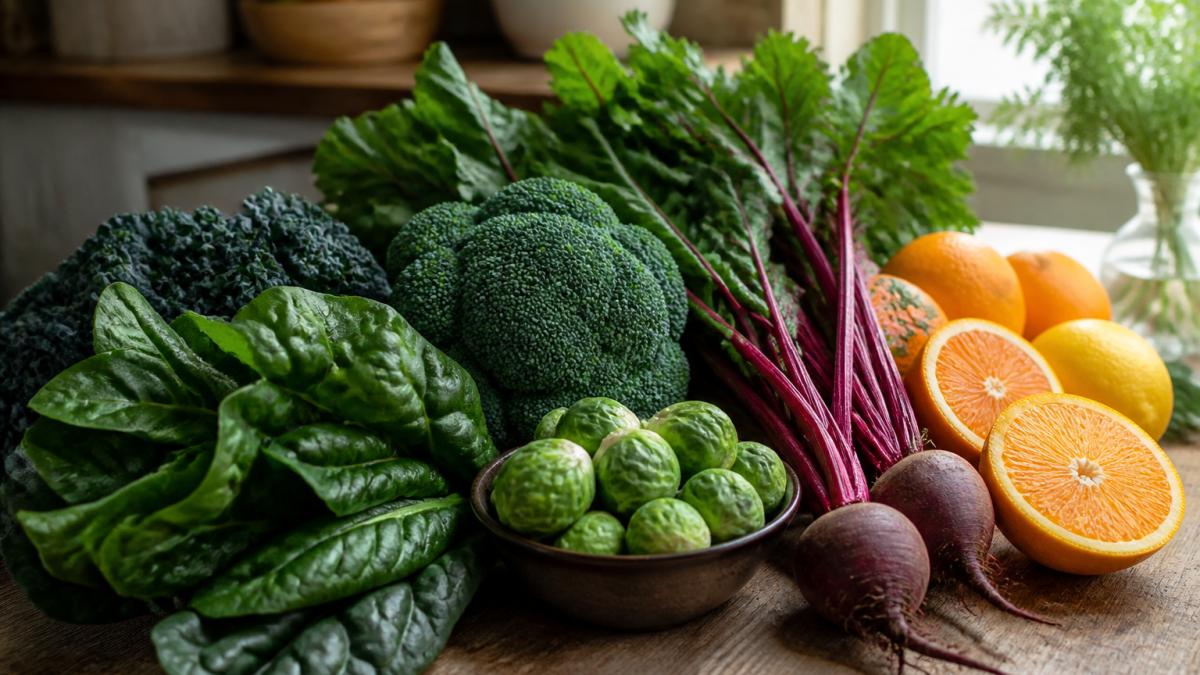
Cruciferous Vegetables and Sulfur-Rich Foods
Broccoli, Brussels sprouts, cabbage, and cauliflower contain glucosinolates that convert to sulfur-based molecules supporting Phase II conjugation. They also contain indole-3-carbinol, which helps process excess estrogen. Eat these raw or lightly steamed (high heat destroys active compounds). Aim for one serving daily. Other sulfur-rich foods: garlic, onions, eggs, asparagus, and bone broth.
Antioxidant-Rich Options and Hydration
Antioxidants neutralize oxidative stress from toxin processing. Berries, leafy greens, and beets contain polyphenols and betalains that protect liver cells. Beets specifically contain betaine, which supports fat metabolism, people with fatty liver disease often improve with regular beet consumption. Hydration is equally critical: water helps flush toxins through your kidneys. Aim for half your body weight in ounces daily. Priority foods: blueberries, blackberries, spinach, kale, beets, lemon water, and green tea.
How to Support Liver Regeneration Naturally
Your liver can heal itself, but needs the right conditions. You can't supplement your way out of a poor lifestyle, the foundation must be solid.
Lifestyle Changes to Reduce Hepatic Burden
Reduce what your liver has to process: cut processed foods and refined sugar, eliminate alcohol for at least 30 days, reduce seed oils and increase healthy fats, choose organic produce to limit pesticide exposure, and limit medications where safe. These changes alone often improve energy within two weeks.
Sleep, Circadian Rhythm, and Liver Recovery
Your liver does most repair work between 11 PM and 3 AM. Poor sleep prevents this recovery. Going to bed by 10 PM and waking at 6 AM aligns with your natural detoxification cycles. Aim for 7-9 hours nightly, keep your bedroom cool and dark, avoid screens one hour before bed, and maintain consistent sleep and wake times.
Supplements and Herbal Support for Liver Health
Targeted supplementation accelerates results. The right combination of ingredients works synergistically, the whole is greater than the sum of its parts.
Key Ingredients: Milk Thistle, Turmeric, and Beet Root
Milk Thistle contains silymarin, which protects liver cells and supports regeneration. Turmeric contains curcumin, a powerful anti-inflammatory that addresses chronic inflammation and supports Phase II detoxification. Beet Root provides betalains and nitrates that improve blood flow to the liver. These three work best together, covering multiple pathways simultaneously. Renew Liver Booster includes these plus L-cysteine, dandelion, artichoke extract, and ginger, each supporting your liver's natural detoxification processes.

Why Formula Synergy Matters More Than Single Ingredients
A well-designed formula addresses the entire detoxification pathway. Dandelion supports Phase I, artichoke supports bile flow, L-cysteine replenishes glutathione (essential for Phase II), and ginger reduces inflammation and aids digestion.
Foods to Avoid for Optimal Liver Function
Eliminate foods that stress your liver: refined sugar, high-fructose corn syrup, alcohol, processed vegetable oils, fried foods, processed meats, conventional dairy, and artificial additives. These require extra processing energy, generate inflammation, and feed harmful gut bacteria. Eliminating them often produces noticeable improvements in energy and digestion within 7-10 days.
Common Mistakes to Avoid During Liver Support
Most people fail at liver support because they approach it wrong. Here are some common mistakes, and how to navigate them.
Mistake 1: Going Too Hard Too Fast and Triggering Herxheimer Symptoms
The Herxheimer reaction ("detox crisis" or "healing crisis") occurs when your body mobilizes and eliminates stored toxins faster than your elimination pathways can process them.
To avoid or minimize: start with dietary changes alone for 5-7 days before adding supplements, begin at half the recommended dose for the first week, increase water intake to 100+ ounces daily, add extra fiber to bind toxins, consider activated charcoal to absorb mobilized toxins, and reduce dose or pause if symptoms become severe.
Mistake 2: Ignoring Metabolic Variability and Individual Differences
A single protocol doesn't work for everyone. Your genetics, gut microbiome, and metabolic capacity create a unique detoxification profile. Your CYP450 enzyme family comes in three types: fast metabolizers (process toxins quickly but may overwhelm Phase II, benefit from slower Phase I support and aggressive Phase II nutrients), slow metabolizers (process slowly, requiring longer protocols of 12-16 weeks), and normal metabolizers (respond well to standard protocols). Infer your type from your response: worse quickly on standard doses suggests fast metabolism; no improvement after 4 weeks suggests slow metabolism.
Environmental and lifestyle factors: Your detoxification capacity also depends on:
- Gut health: A dysbiotic microbiome impairs Phase III (gut-mediated elimination). If you have a history of antibiotic use, IBS, or food sensitivities, prioritize probiotics and prebiotic fiber before aggressive liver support.
- Nutrient status: If you're deficient in B vitamins, magnesium, or amino acids, Phase II conjugation stalls. A micronutrient panel can reveal these gaps.
- Toxic exposure history: Someone with decades of pesticide exposure or heavy metal accumulation needs a longer, more gradual protocol than someone with recent-onset fatigue.
- Stress and sleep: Chronic stress and poor sleep impair Phase II enzyme expression. Without addressing these, supplements alone won't work.
How to personalize your approach:
- Start conservatively and adjust based on your response
- Track symptoms daily (energy, digestion, skin, mood) to identify patterns
- If you feel significantly worse after 3 days, reduce supplement dose by 50 percent
- If you see no change after 4 weeks, consider adding a probiotic or extending the timeline to 16 weeks
- Work with a functional medicine practitioner or naturopath if you have complex health history; they can order metabolic testing and customize your protocol
Mistake 3: Ignoring the Gut-Liver Axis
Your gut and liver work together through a two-way communication system. If your gut is inflamed or dysbiotic, your liver can't function properly, and a struggling liver worsens gut dysfunction.
Before aggressive liver support, assess your gut health. Do you have:
- Chronic bloating or gas?
- Loose stools or constipation?
- Food sensitivities?
- A history of antibiotic use?
If yes, add fermented foods (sauerkraut, kimchi, miso, tempeh) and consider a quality multi-strain probiotic (at least 25 billion CFU with Lactobacillus and Bifidobacterium species) for 4-6 weeks before or alongside liver support.
Mistake 4: Not Addressing Stress and Sleep
Chronic stress elevates cortisol, which impairs liver enzyme expression and promotes inflammation. Poor sleep prevents the liver's peak repair window (11 PM-3 AM). Without addressing these, supplements and diet changes produce only partial results.
Non-negotiable foundations:
- Sleep 7-9 hours nightly, in bed by 10 PM
- Practice 10-15 minutes of daily stress reduction (meditation, breathwork, gentle movement)
- Limit caffeine after 2 PM
- Avoid intense exercise during the first 4 weeks of liver support (it increases toxin mobilization)
Mistake 5: Expecting Overnight Results
Liver regeneration takes time. Hepatocytes (liver cells) have a 300-500 day lifespan. Meaningful changes in liver enzyme markers typically appear after 8-12 weeks. Energy improvements often lag behind biochemical improvements by 2-4 weeks.
Consistency beats intensity. A moderate, sustainable protocol followed for 12 weeks outperforms an aggressive 4-week sprint every time.
Mistake 6: Choosing the Wrong Supplements
Not all liver supplements are created equal. Single-ingredient formulas are cheaper but less effective because they address only one detoxification pathway. A well-designed formula includes:
- Phase I support (milk thistle, beet root)
- Phase II support (L-cysteine, glycine, taurine, sulfur from cruciferous extracts)
- Inflammation management (turmeric, ginger)
- Bile flow support (artichoke, dandelion)
- Antioxidant protection (silymarin, NAC)
Look for products that list ingredient amounts (not just "proprietary blend") and come from manufacturers that third-party test for purity and potency.
Your Action Plan: Starting an Effective Liver Detox
Ready to start an effective liver detox for chronic fatigue? Here's how to structure your first month.
Week 1: Foundation and Dietary Adjustment
Days 1-3:
- Eliminate alcohol completely
- Cut out processed foods and refined sugar
- Add one cruciferous vegetable to each meal
- Drink half your body weight in ounces of water daily
- Sleep by 10 PM
Days 4-7:
- Continue above
- Add beets or beet greens to your diet
- Start green tea (2-3 cups daily)
- Begin a consistent sleep schedule
Don't start supplements yet. Let your body adjust to dietary changes first.
Week 2-4: Adding Supplement Support and Monitoring
Week 2:
- Start Renew Liver Booster (2 capsules daily with water)
- Continue all dietary changes
- Add fermented foods (sauerkraut, kimchi, or kombucha)
- Track your energy levels
Week 3-4:
- Maintain Renew Liver Booster daily
- Monitor for any Herxheimer symptoms (usually mild)
- Increase water intake if you experience headaches
- Notice improvements in energy, digestion, and mental clarity
By week 4, individuals may notice:
- Better sleep quality
- Reduced bloating
- More consistent energy
- Clearer thinking
Continue this protocol for 8-12 weeks for maximum benefit. Your liver regenerates slowly. Patience produces lasting results.
Chronic fatigue rooted in poor liver function doesn't resolve overnight, but it does resolve when you address the cause.
Renew Liver Booster supports this process with a science-backed formula containing Turmeric for inflammation, Milk Thistle for regeneration, and Beet Root for circulation, plus complementary ingredients that work together to enhance your liver's natural detoxification processes.
Frequently Asked Questions
Is there a link between liver function and chronic fatigue syndrome?
Yes. Your liver processes toxins, metabolic waste, and excess hormones. When liver function declines, these substances accumulate, increasing systemic inflammation and depleting cellular energy production. This directly contributes to persistent fatigue. Supporting your liver's detoxification pathways through diet, lifestyle, and targeted supplements like Renew Liver Booster can help restore energy by reducing the metabolic burden your body carries.
What are the best foods for liver detoxification and energy?
Cruciferous vegetables (broccoli, Brussels sprouts, cabbage), leafy greens (spinach, kale), beets, citrus fruits, and fatty fish rich in omega-3s all support liver function. These foods provide antioxidant support, aid Phase II conjugation, and reduce oxidative stress. Pair them with adequate hydration, at least 8 glasses of water daily, to help your liver eliminate toxins efficiently and restore energy levels.
Can natural supplements actually help with liver detoxification, or is it just marketing?
Natural ingredients like Milk Thistle, Turmeric, and Beet Root have clinical evidence supporting their role in liver health. Milk Thistle contains silymarin, which protects liver cells; Turmeric's curcumin reduces inflammatory markers; Beet Root supports Phase II detoxification. Renew Liver Booster combines these ingredients in a formula designed to work synergistically. Results vary by individual, but when paired with dietary changes and lifestyle adjustments, supplements provide measurable support for liver regeneration.
How long does it take to feel less fatigued after starting liver support?
Most people notice initial improvements in energy and bloating within 2-4 weeks when combining dietary changes, hydration, sleep optimization, and supplementation. Deeper liver regeneration takes longer, typically 8-12 weeks for meaningful shifts in liver enzyme markers and sustained energy. Consistency matters more than speed; sustainable results come from ongoing lifestyle changes, not quick fixes. If fatigue persists beyond 4 weeks, consult your healthcare provider to rule out other metabolic issues.