

Table of Contents
- Understanding Liver Detoxification and Your Diet
- The 5 Best Foods for Liver Detoxification
- Foods to Avoid for Liver Health
- Signs of a Sluggish Liver You Shouldn't Ignore
- How to Support Liver Regeneration Through Nutrition and Supplementation
- Creating a Liver-Friendly Meal Plan
- Frequently Asked Questions
Last Updated: September 24, 2026
Understanding Liver Detoxification and Your Diet
Your liver filters your blood, processes nutrients, and eliminates waste through two primary detoxification phases. Phase I uses cytochrome P450 enzymes to chemically modify toxins, drugs, and metabolic byproducts. Phase II conjugates these modified compounds with glutathione, sulfate, or glucuronic acid, making them water-soluble so your kidneys can excrete them in urine, or your bile can carry them into the intestines for elimination. When either phase slows, compounds accumulate, leading to fatigue, bloating, brain fog, and skin issues.
The 'Detox' Misconception
Your liver doesn't need external detoxification products or extreme cleanses. It detoxifies continuously, 24 hours a day. What it does need is consistent nutritional support for the enzymes and cofactors that power Phase I and Phase II. This is why the term "liver detoxification foods" is somewhat misleading, these foods don't detoxify your liver; they provide the raw materials your liver uses to detoxify itself. The distinction matters: you're not "cleansing" a sluggish organ, you're fueling its existing detoxification machinery so it can work efficiently.
Research from the National Institutes of Health confirms that specific nutrients, sulfur compounds from garlic, indoles from cruciferous vegetables, antioxidants from berries, directly upregulate the genes and enzymes responsible for Phase I and Phase II detoxification. This isn't marketing language; it's measurable biochemistry.
Why Diet Matters More Than Supplements Alone
Whole foods provide these compounds in combinations your body evolved to process. A single serving of broccoli contains sulforaphane, vitamin C, folate, and fiber, each playing a distinct role in liver support. Isolated supplements can help, but they can't replicate the synergistic effect of whole-food nutrients. Additionally, whole foods provide the fiber necessary to bind toxins in your digestive tract and prevent them from being reabsorbed, a step no supplement can accomplish alone.
When your liver's detoxification pathways are adequately supported, you'll notice measurable changes: sustained energy without afternoon crashes, improved digestion, clearer skin, and sharper mental focus. These aren't placebo effects; they're the result of your liver processing and eliminating compounds more efficiently. Individual timelines vary based on baseline liver function and overall health status.
The 5 Best Foods for Liver Detoxification
The best foods for liver detoxification share a common trait: they're rich in compounds that activate your liver's enzyme systems. These enzymes do the heavy lifting, they transform toxins into water-soluble forms your body can eliminate through urine and bile.
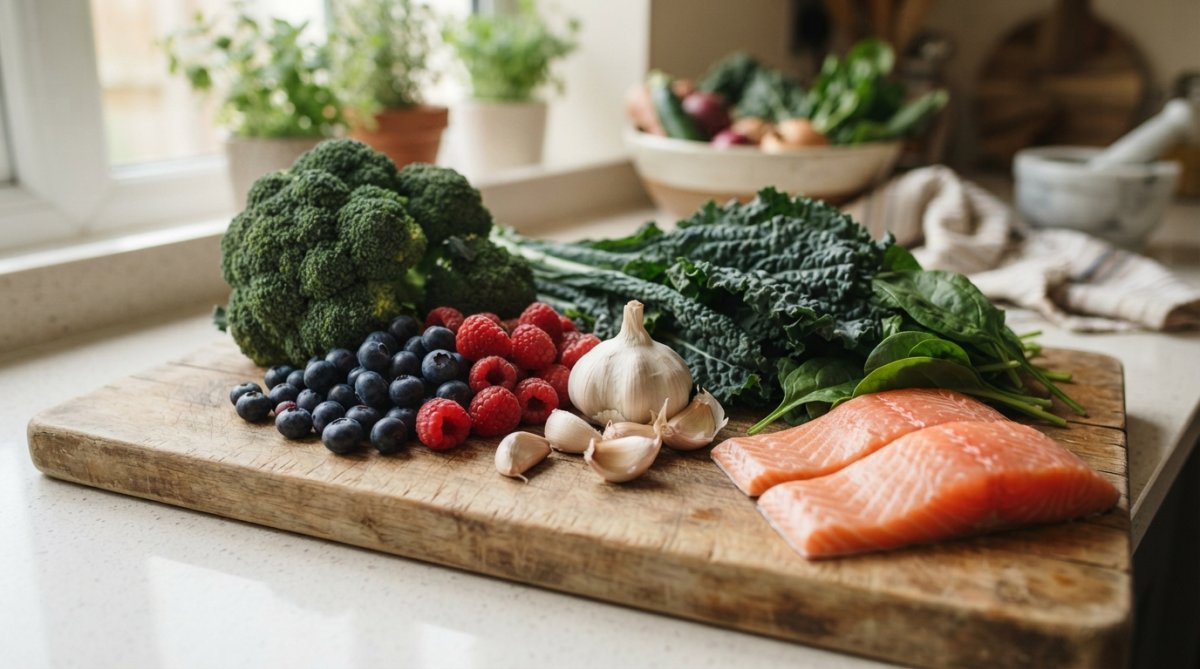
1. Cruciferous Vegetables: Broccoli, Cabbage, and Brussels Sprouts
Cruciferous vegetables contain sulforaphane, a compound that triggers your liver's most powerful detoxification enzyme system. This isn't theoretical, these vegetables directly activate the genes responsible for processing harmful compounds.
Eat them raw or lightly steamed to preserve sulforaphane. A half-cup of broccoli sprouts delivers more enzyme-activating power than a full cup of mature broccoli. Add them to salads, blend them into smoothies, or eat them as a crunchy side.
Brussels sprouts and cabbage work similarly but offer additional benefits. Cabbage contains indoles, which support estrogen metabolism, particularly important if your liver is struggling to process excess hormones.
2. Antioxidant-Rich Berries and Citrus Fruits
Berries and citrus reduce oxidative stress in your liver cells. Oxidative stress damages hepatocytes (liver cells) and slows regeneration. Antioxidants like anthocyanins and quercetin neutralize this damage before it happens.
Blueberries are your top choice, they contain the highest concentration of anthocyanins among common fruits. Raspberries, blackberries, and cranberries follow closely. Fresh or frozen work equally well; frozen berries are often more concentrated because they're picked at peak ripeness.
Citrus fruits like grapefruit and lemon support bile production, which helps your liver eliminate fat-soluble toxins. The pith (white part under the skin) contains hesperidin, another protective compound. Don't peel it away completely, include some when you can.
3. Garlic and Onions for Enzyme Activation
Garlic and onions contain sulfur compounds that activate glutathione production. Glutathione is your liver's master antioxidant, it neutralizes nearly every type of toxin your body encounters. Without adequate glutathione, your liver's detoxification capacity drops significantly.
Raw garlic is more potent than cooked, but cooking doesn't eliminate the benefit entirely. A practical approach: add raw garlic to dressings and marinades, and use cooked garlic in soups and roasted vegetables.
Onions provide similar benefits with a milder flavor profile. Red onions contain more quercetin than yellow varieties. Add them liberally to salads, soups, and grain bowls.
4. Leafy Greens and Chlorophyll-Rich Foods
Leafy greens, spinach, kale, arugula, and Swiss chard, contain chlorophyll, which binds to certain toxins and prevents your liver from reabsorbing them. This direct support for toxin elimination is why greens appear in nearly every liver-health protocol.
Kale offers the highest nutrient density per calorie. Spinach is gentler if you have digestive sensitivity.
5. Healthy Fats: Fatty Fish, Nuts, and Seeds
Your liver needs fat to function. Omega-3 fatty acids from fatty fish reduce liver inflammation and support cell membrane health. Wild-caught salmon, sardines, and mackerel are your best sources.
Foods to Avoid for Liver Health
What you don't eat matters as much as what you do. Certain foods actively damage your liver or overwhelm its detoxification capacity.
Signs of a Sluggish Liver You Shouldn't Ignore
Your body sends clear signals when your liver is struggling. Recognizing these signs early lets you intervene before serious damage develops.
How to Support Liver Regeneration Through Nutrition and Supplementation
Your liver is one of the few organs that can regenerate. Even if it's been damaged, proper nutrition and supplementation can restore function.
Creating a Liver-Friendly Meal Plan
Building a sustainable meal plan doesn't require expensive superfoods or specialty ingredients. The most effective liver-supportive diet relies on affordable, accessible staples available at any grocery store. The key is consistency and strategic layering of the five food categories across your week.
Budget-Friendly Foundation
- Cruciferous vegetables: Cabbage and frozen broccoli are significantly cheaper than fresh broccoli or Brussels sprouts. A head of cabbage costs $1-2 and provides 8-10 servings. Frozen broccoli florets ($1.50-2 per pound) retain sulforaphane and are often more concentrated than fresh.
- Leafy greens: Spinach (fresh or frozen) costs less than kale. Frozen spinach is shelf-stable and lasts months. Iceberg lettuce is inexpensive but nutrient-poor; prioritize spinach or mixed greens when possible.
- Berries: Frozen blueberries, raspberries, and mixed berries cost 30-50% less than fresh and are picked at peak ripeness, concentrating anthocyanins. Buy in bulk during sales and store in your freezer.
- Protein: Eggs are the cheapest protein source and support liver cell repair. Canned sardines and mackerel cost $1-3 per can and provide omega-3s without the premium price of fresh salmon. Chicken thighs are cheaper than breasts and contain more nutrients.
- Healthy fats: Bulk walnuts and ground flax seeds from the bulk bin cost 40-60% less than packaged versions. Olive oil is an upfront investment but lasts months.
- Grains: Brown rice, oats, and dried beans are among the cheapest foods available and provide fiber critical for toxin binding.
Weekly Meal Structure (Budget-Conscious)
| Meal | Budget Option | Cost Estimate | Liver Support |
|---|---|---|---|
| Breakfast | Oatmeal with frozen blueberries, ground flax, walnuts | $1.50 | Fiber, antioxidants, omega-3s |
| Lunch | Spinach salad with canned sardines, cabbage slaw, olive oil dressing | $2.00 | Omega-3s, sulfur compounds, chlorophyll |
| Dinner (3x weekly) | Baked chicken thighs with steamed broccoli and brown rice | $2.50 | Protein, sulforaphane, fiber |
| Dinner (2x weekly) | Egg scramble with sautéed spinach, onions, and whole-grain toast | $1.75 | Choline (egg), glutathione precursors (onions) |
| Snack | Apple with almond butter, or handful of walnuts | $0.75 | Fiber, antioxidants, omega-3s |
Important: Drug-Nutrient Interactions
- Garlic and onions contain compounds that may potentiate blood thinners like warfarin (Coumadin). If you take anticoagulants, discuss garlic intake with your prescriber, you may need to maintain consistent consumption rather than avoid it entirely.
- Cruciferous vegetables contain compounds that may reduce the effectiveness of certain medications metabolized by the liver. If you take thyroid medication, immunosuppressants, or statins, eat cruciferous vegetables consistently rather than sporadically, so your liver adapts to their presence.
- Grapefruit and grapefruit juice inhibit a major liver enzyme (CYP3A4) and can dangerously increase blood levels of statins, blood pressure medications, and immunosuppressants. If you take any prescription medication, ask your pharmacist whether grapefruit is safe; if not, substitute lemon or other citrus.
- High-fiber foods can reduce absorption of certain medications if taken simultaneously. Take medications 2 hours before or after high-fiber meals.
Practical Implementation
- Week 1: Add frozen broccoli to dinner 3 times.
- Week 2: Add a spinach salad to lunch 4 times.
- Week 3: Swap one meat dinner for eggs or canned fish.
- Week 4: Add berries to breakfast daily.
- Week 5+: Maintain all four changes and add garlic/onions to dinners.
Frequently Asked Questions
What can I eat to flush my liver?
Cruciferous vegetables like broccoli and cabbage, antioxidant-rich berries, garlic, leafy greens with high chlorophyll content, and fatty fish rich in omega-3 fatty acids all support your liver's natural detoxification pathways. These foods enhance enzyme activity and reduce oxidative stress, helping your liver process and eliminate toxins more efficiently. Pairing these foods with adequate hydration amplifies their hepatoprotective benefits.
What are signs of a sluggish liver that I should address?
Common signs include chronic fatigue, persistent bloating, unexplained weight gain, brain fog, dark urine, pale stools, and yellowing of the skin or eyes. You might also notice increased inflammation, poor digestion, or difficulty losing weight despite diet changes. These symptoms often reflect reduced bile production and impaired metabolic function. If you experience these, consult your doctor and consider dietary adjustments alongside professional guidance.
Can diet alone reverse fatty liver disease?
Diet plays a critical role in managing fatty liver disease, but results depend on the severity and underlying causes. Weight loss through balanced nutrition can reduce liver fat accumulation and improve insulin sensitivity. However, non-alcoholic fatty liver disease requires a comprehensive approach including regular physical activity, stress management, and sometimes supplementation. Your doctor can determine whether dietary changes alone are sufficient or if additional interventions are needed.
Are there drug-nutrient interactions I should know about with liver-supporting foods?
Some liver-supporting foods can interact with medications. Cruciferous vegetables may affect warfarin metabolism, garlic can interact with blood thinners, and high-dose supplements may conflict with certain drugs. If you're taking medications, especially anticoagulants, diabetes medications, or liver-metabolized drugs, discuss your diet and any supplements with your healthcare provider before making significant changes to ensure safety.